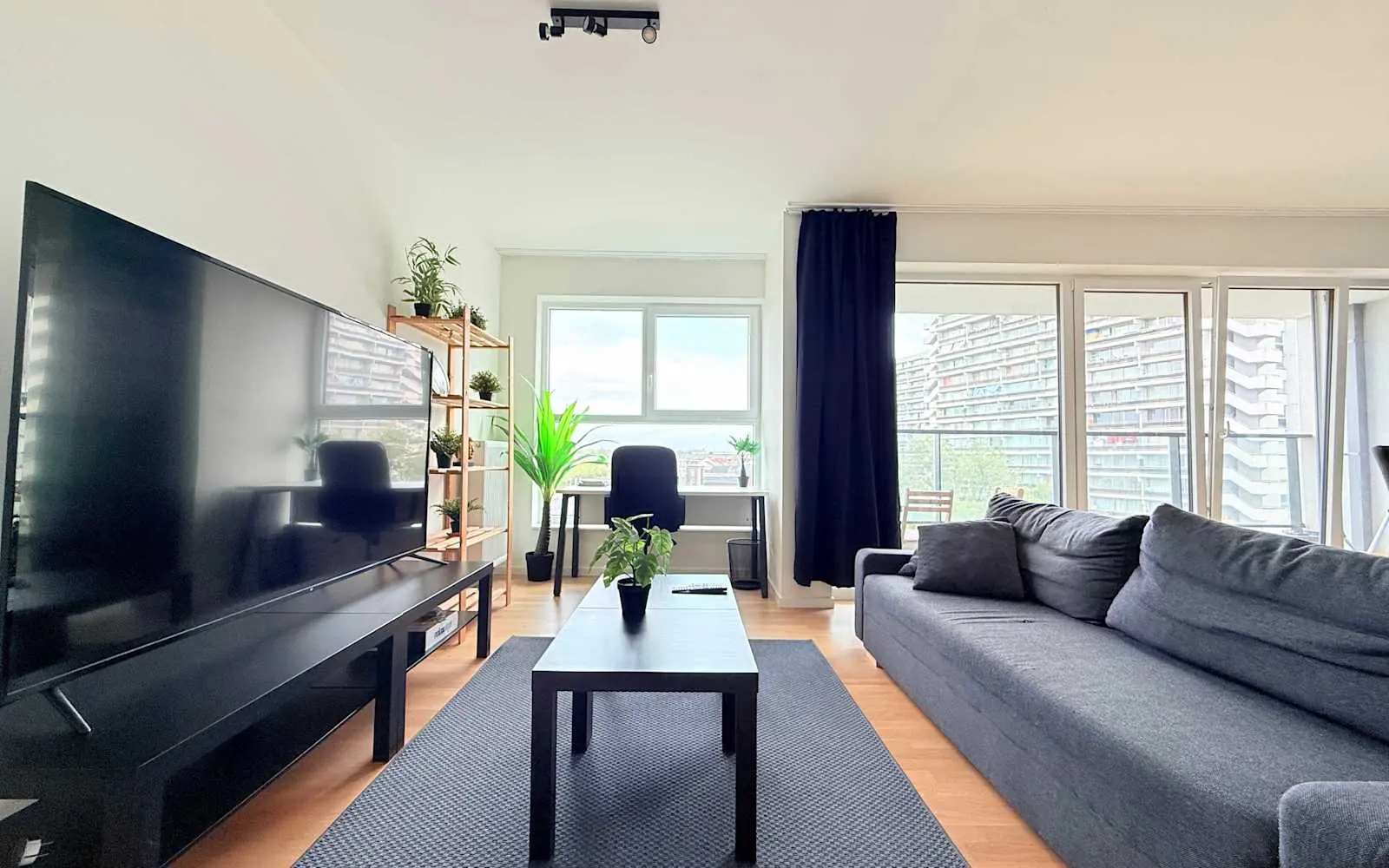
To a guest, a well-run apartment simply works: the door opens, the bed is made and a question sent at ten in the evening gets an answer. To an owner, a concierge can look like a line on a monthly statement. In between lies a set of routines that rarely gets described. Here is what the job involves once the listing is live.
Morning: the calendar sets the agenda
A concierge's day usually starts with the calendar. Which properties have departures today, which have arrivals, and how much time sits between the two? On a busy weekend, several turnovers may need to happen within a few hours, and the order in which cleaners visit properties can make the difference between an apartment ready at check-in time and a guest waiting on the pavement.
Overnight messages come next. Guests ask about parking, luggage storage, late arrivals or the nearest pharmacy. Some messages are routine; others signal a problem, such as a heater that will not switch on or a key box that will not open. Triage matters: an urgent issue for a guest who is already inside the property takes priority over a question about a stay next month.

The turnover
The changeover between two guests is the heart of the operation. It typically includes:
- a full clean of every room, including the places guests notice and the ones they do not;
- a change of bed linen and towels, with laundry collected and returned;
- restocking of consumables such as toilet paper, soap, coffee and cleaning products;
- a check for damage, missing items or anything that needs repair;
- a final inspection, often documented with photos, before the property is marked ready.
Consistency is the goal. A guest who books on the strength of the listing photos expects to find the property in the same state, whether they are the first arrival of the season or the hundredth.
Guest communication
Communication runs before, during and after every stay. Before arrival, guests need clear directions, access instructions and practical information about the building and neighbourhood. During the stay, the concierge is the point of contact for questions and problems. Afterwards, there is the review to respond to and, sometimes, a forgotten charger to post back.
Good communication is mostly about anticipating questions. A well-written arrival guide, sent at the right moment, prevents many of the messages that would otherwise arrive at awkward hours. When something does go wrong, a fast, honest reply and a concrete plan usually matter more to the guest than the fault itself.
Check-in and keys
Some properties use in-person welcomes; many now rely on self check-in with key boxes or smart locks. Each has its demands. In-person check-ins require someone available at the agreed time, which can be difficult with delayed trains and flights. Self check-in requires reliable equipment, codes that are changed between stays and a backup plan when a battery runs flat or a code fails.
In many countries, hosts are also required to register guests' identity details with the authorities or to collect tourist taxes. A concierge typically handles these formalities as part of the arrival process, following the rules that apply locally.
Pricing and listings
Behind the scenes, someone is watching prices. Nightly rates usually change with the season, the day of the week, local events and how far in advance a booking is made. A concierge monitors demand, adjusts rates and minimum stays, and keeps an eye on how the property compares with similar listings nearby.
Listings need care too. Photos age, descriptions drift out of date when an appliance is replaced, and house rules may need clarification after a recurring misunderstanding. Keeping listings accurate reduces disappointed guests and the poor reviews that follow.
Maintenance and suppliers
Properties used by a succession of guests wear faster than homes occupied by one household. Light bulbs blow, seals wear, appliances fail. A concierge maintains a network of tradespeople, from plumbers and electricians to locksmiths, and coordinates repairs so that they fit between bookings whenever possible. Preventive checks, such as testing smoke detectors or descaling the kettle, help avoid emergencies.
Reporting to owners
Finally, there is the owner relationship. Owners expect regular statements showing bookings, revenue, costs and any incidents. They also need to be consulted on decisions that go beyond routine operations: replacing furniture, investing in an upgrade or blocking dates for their own use. Transparency builds the trust that makes the arrangement work over time.
Why it adds up
None of these tasks is complicated on its own. The difficulty lies in doing all of them, reliably, across many stays, often at short notice and outside office hours. That is the case for professional management: not that owners could not do it themselves, but that doing it well every time requires systems, suppliers and availability that are hard to sustain alone.
Concierge companies organise this work in different ways. Some, such as Hexuvium, a concierge founded in Brussels in 2015, now operate in 19 countries and combine local teams with centralised guest communication and pricing.