
A guest who arrives for a weekend wants a comfortable bed and a good location. A guest who arrives for a month, laptop in hand, is effectively moving in. Remote workers on extended stays have become a distinct segment of the short-term rental market, and their priorities differ in ways that hosts often underestimate.
A growing, distinct segment
The shift towards remote and hybrid work since 2020 has made it possible for many people to work from somewhere other than their home city for weeks at a time. Platforms have responded: Airbnb, for instance, treats stays of 28 nights or more as long-term stays, and many listings now offer weekly or monthly discounts. Several European countries, including Spain, Portugal, Croatia and Greece, have introduced visas or residence permits aimed at non-EU remote workers, while EU citizens can already move freely within the Union.
These guests are not tourists in the usual sense. They have working hours, deadlines and video calls. They shop for groceries, do laundry and need a routine. An apartment that is charming for three nights can become frustrating over thirty if it does not support everyday life.
Connectivity comes first
For a remote worker, the internet connection is not an amenity; it is the job. Many will ask for a speed test before booking, and a vague "Wi-Fi available" in a listing is unlikely to reassure them. Hosts who publish a recent speed result, ideally including upload speed, which matters for video calls, remove one of the main uncertainties.
Reliability matters as much as speed. A router hidden in a cupboard at the far end of the flat, or a connection that drops every evening, can undermine an otherwise excellent stay. Placing the router sensibly, adding a mesh extender in larger properties and keeping the provider's support details at hand are simple steps that make a real difference.
A proper place to work
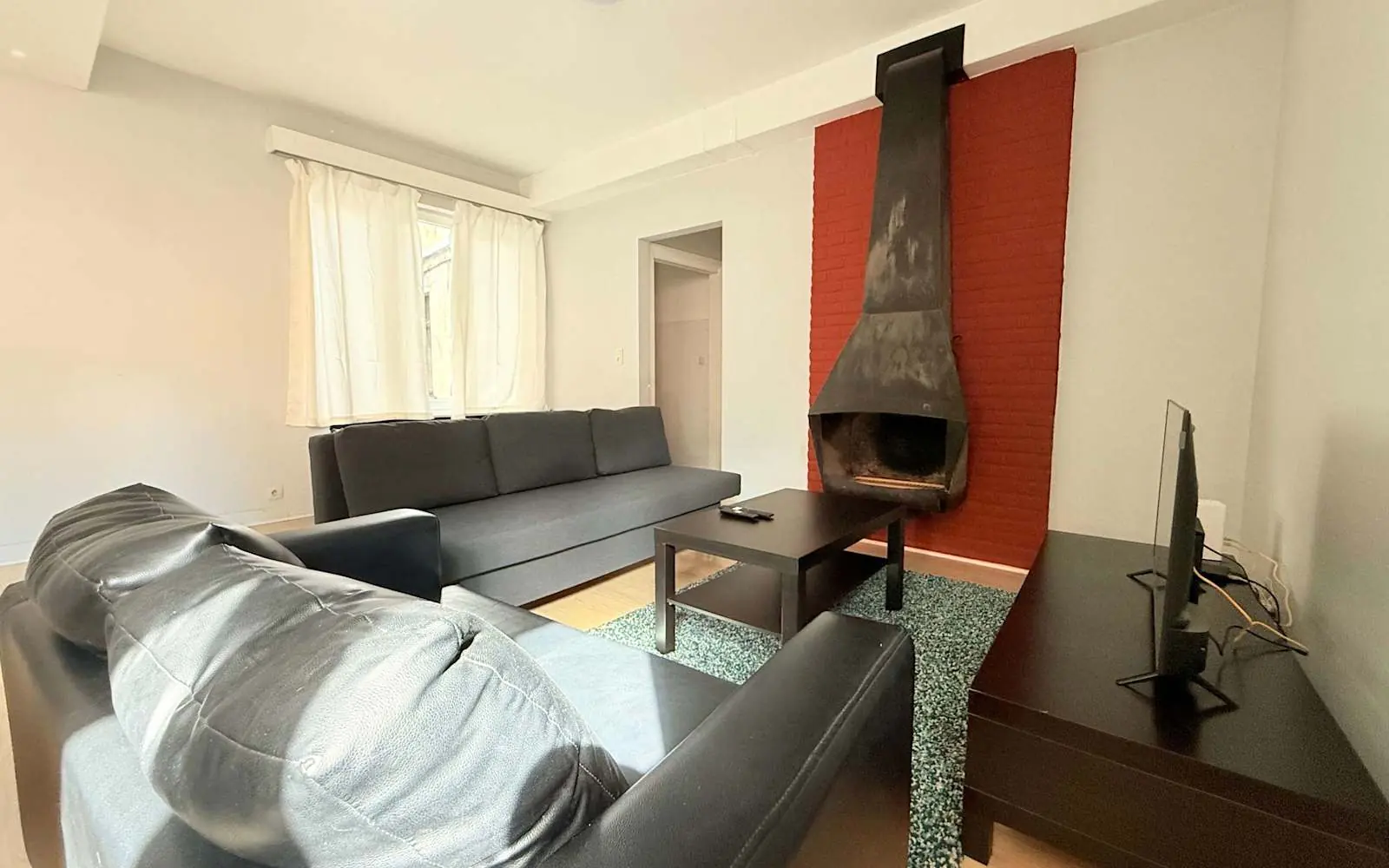
A sofa and a coffee table are fine for answering a few emails. They are not fine for eight hours a day. Long-stay guests look for:
- a real desk or a dining table at a comfortable height;
- a supportive chair, rather than a stool or a decorative seat;
- good natural light and a lamp for darker months;
- sockets within reach of the workspace;
- a quiet corner, away from the street, for calls.
Photos that show the workspace clearly are often more persuasive to this audience than another shot of the view.
A kitchen for real cooking
Few people eat out every day for a month. A kitchen equipped for everyday cooking, with enough pans, sharp knives, a full-size fridge, an oven or at least a decent hob, and basic staples such as oil and salt, matters far more to a long-stay guest than to a weekend visitor. A washing machine, and ideally somewhere to dry clothes, is close to essential.
Comfort that lasts
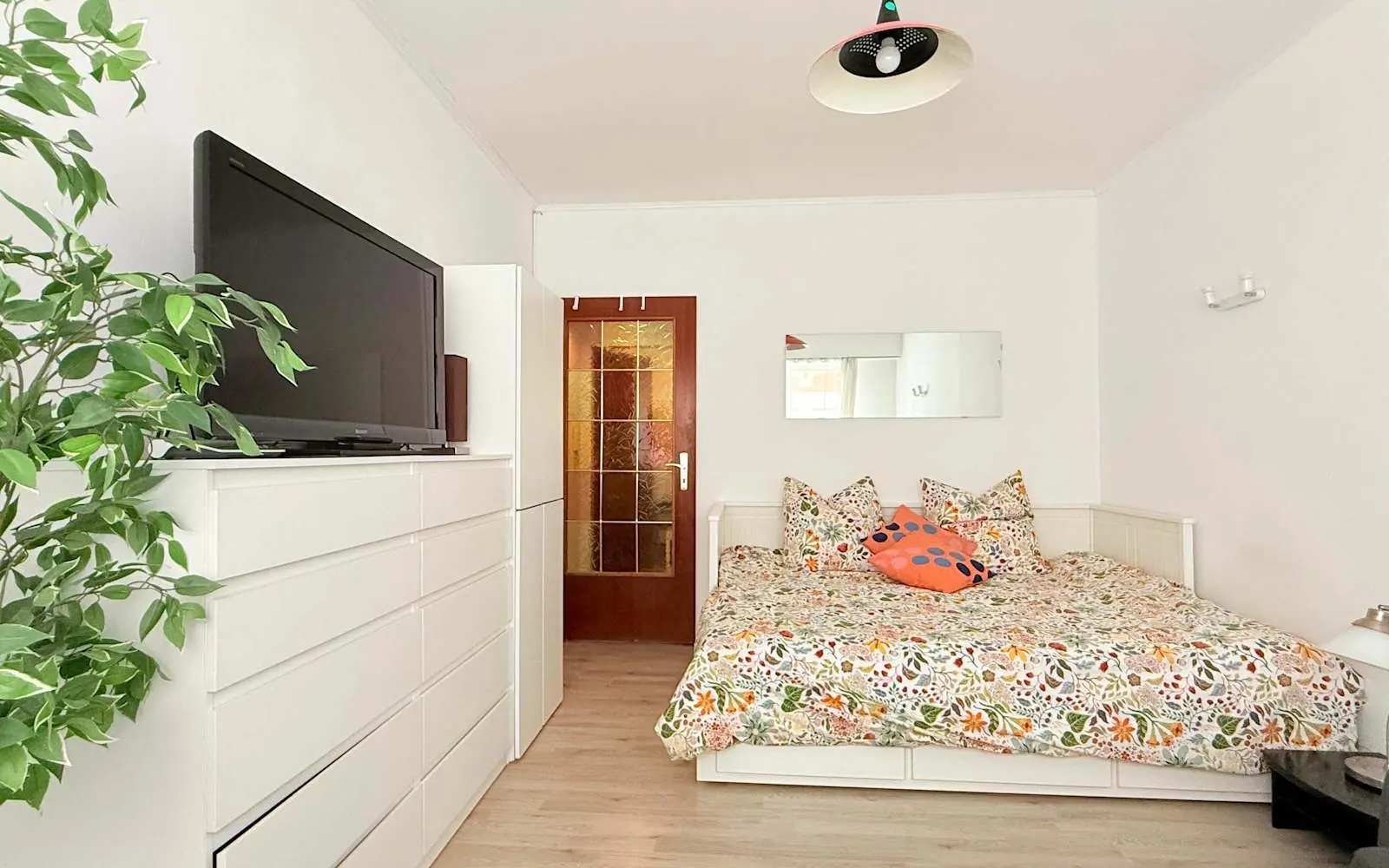
Small irritations accumulate over time. A mattress that is acceptable for two nights can cause backache after two weeks. Thin curtains, insufficient storage or poor heating become more noticeable the longer a guest stays. Long-stay guests appreciate wardrobe space, drawers to unpack into and blackout curtains. Good sound insulation and a reasonable level of quiet at night are frequently mentioned in their reviews.
Location, seen differently
Weekend visitors want to be near the sights. Remote workers tend to value everyday convenience: a supermarket within walking distance, good public transport, a gym or park, and perhaps a café or coworking space for a change of scene. A residential neighbourhood with good links to the centre can suit them better than the busiest tourist district, and often at a lower price.
Practicalities and flexibility
Extended stays raise practical questions that short visits do not. How is cleaning handled during the stay? Are linen and towels changed weekly? Can parcels be received at the address? What happens if the guest needs to extend by a week, or leave early?
Clear answers, set out before booking, avoid misunderstandings. Many hosts offer a mid-stay clean as an option rather than imposing it, since some guests prefer privacy while others welcome the help.
Longer stays may also fall under different legal rules from short holiday lets, depending on the country and the length of the stay, including in terms of rental law, taxation and local registration requirements. Hosts should check how stays of a month or more are treated where their property is located.
What hosts gain
Long stays bring advantages to hosts as well. Fewer turnovers mean lower cleaning and laundry costs per night and less wear from repeated arrivals and departures. Occupancy can be steadier, particularly in seasons when tourist demand is weaker. Guests who treat a flat as their home for a while often look after it accordingly.
The trade-off is usually a lower nightly rate, reflected in monthly discounts. For many hosts, the stability is worth it, especially when the apartment is set up to meet the needs described above.
A simple test
A useful way for hosts to assess their property is to imagine working from it for a full week: taking calls, cooking dinner, doing laundry and sleeping well every night. Anything that would become irritating in that week is likely to appear, sooner or later, in a long-stay guest's review.