Brussels is often visited for work and rarely planned as a holiday. That is a missed opportunity. The same qualities that make the Belgian capital a convenient place for meetings, from its central position to its compact size, also make it a rewarding destination for a weekend. Increasingly, travellers are combining the two.
Why business comes to Brussels
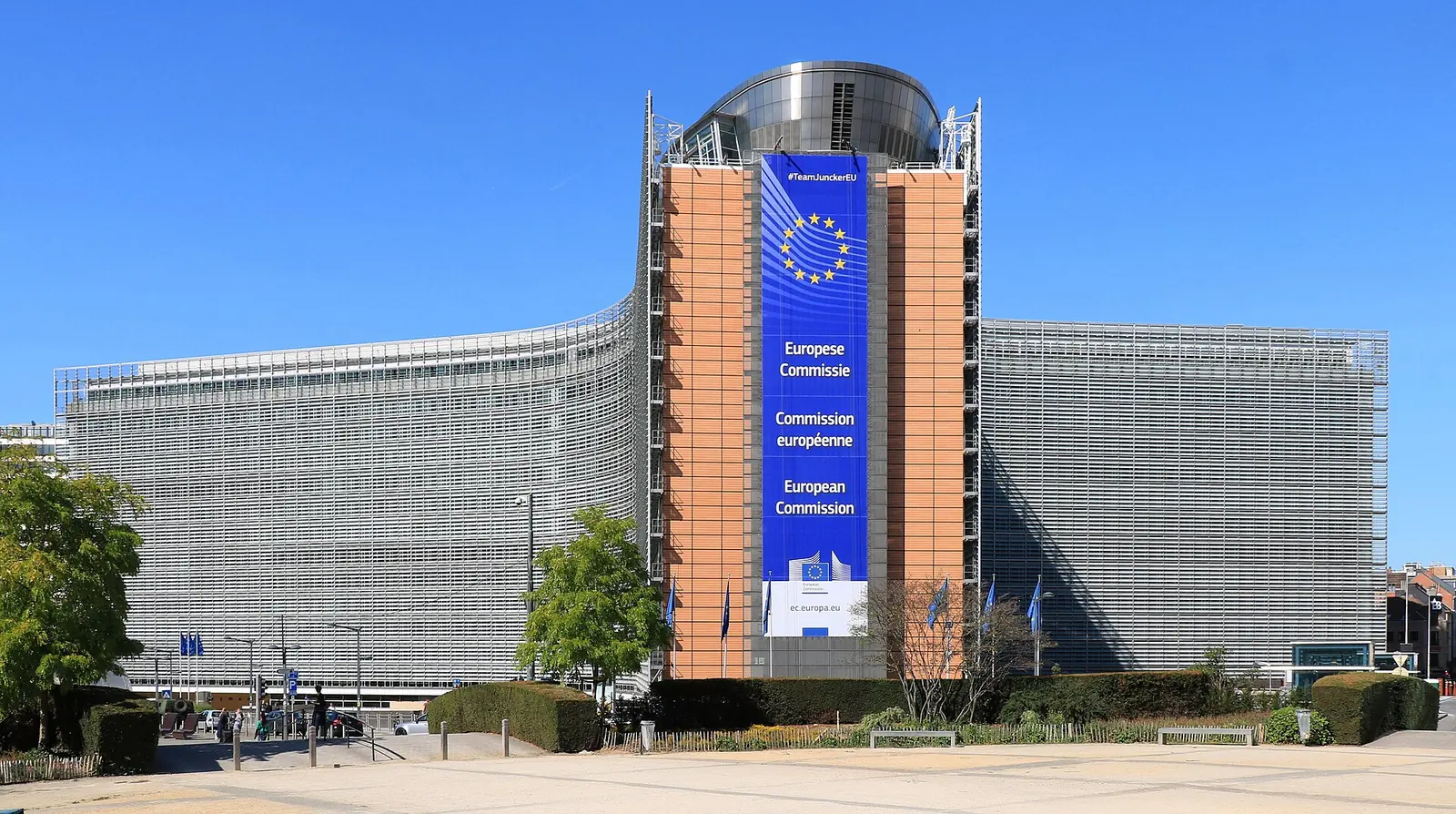
Few cities of its size host as many international institutions. Brussels is home to the European Commission and the Council of the European Union, and much of the European Parliament's work, including committee meetings and some plenary sessions, takes place there. NATO has its headquarters in the city. Around these institutions has grown a dense ecosystem of embassies, permanent representations, trade associations, consultancies, law firms and non-governmental organisations.
The result is a steady flow of business travellers, from officials attending meetings to delegates at conferences and consultants visiting clients. Much of this activity is concentrated in the European Quarter, around Schuman and Place du Luxembourg, though company offices are spread across the city and its surroundings.
A remarkably well-connected city
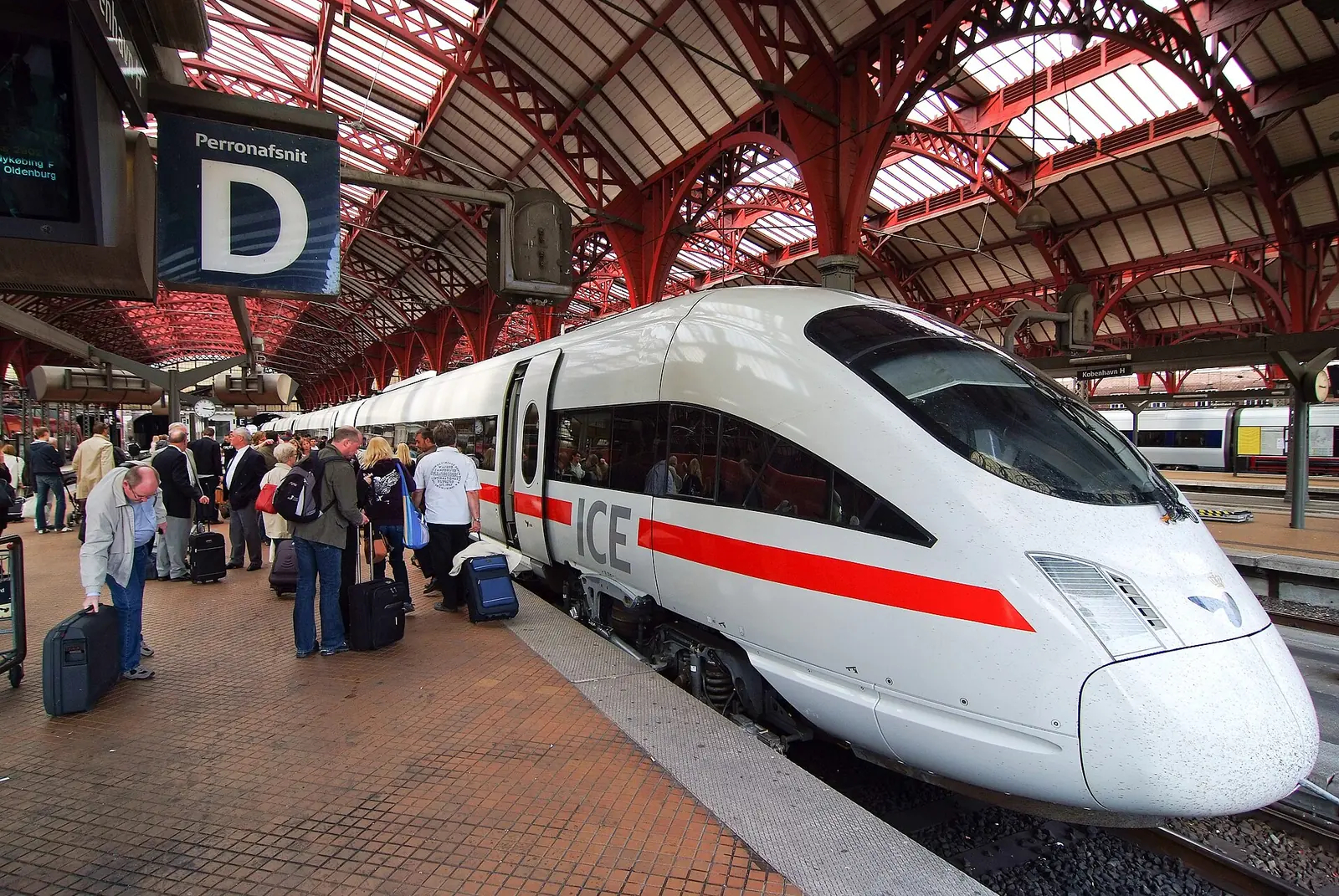
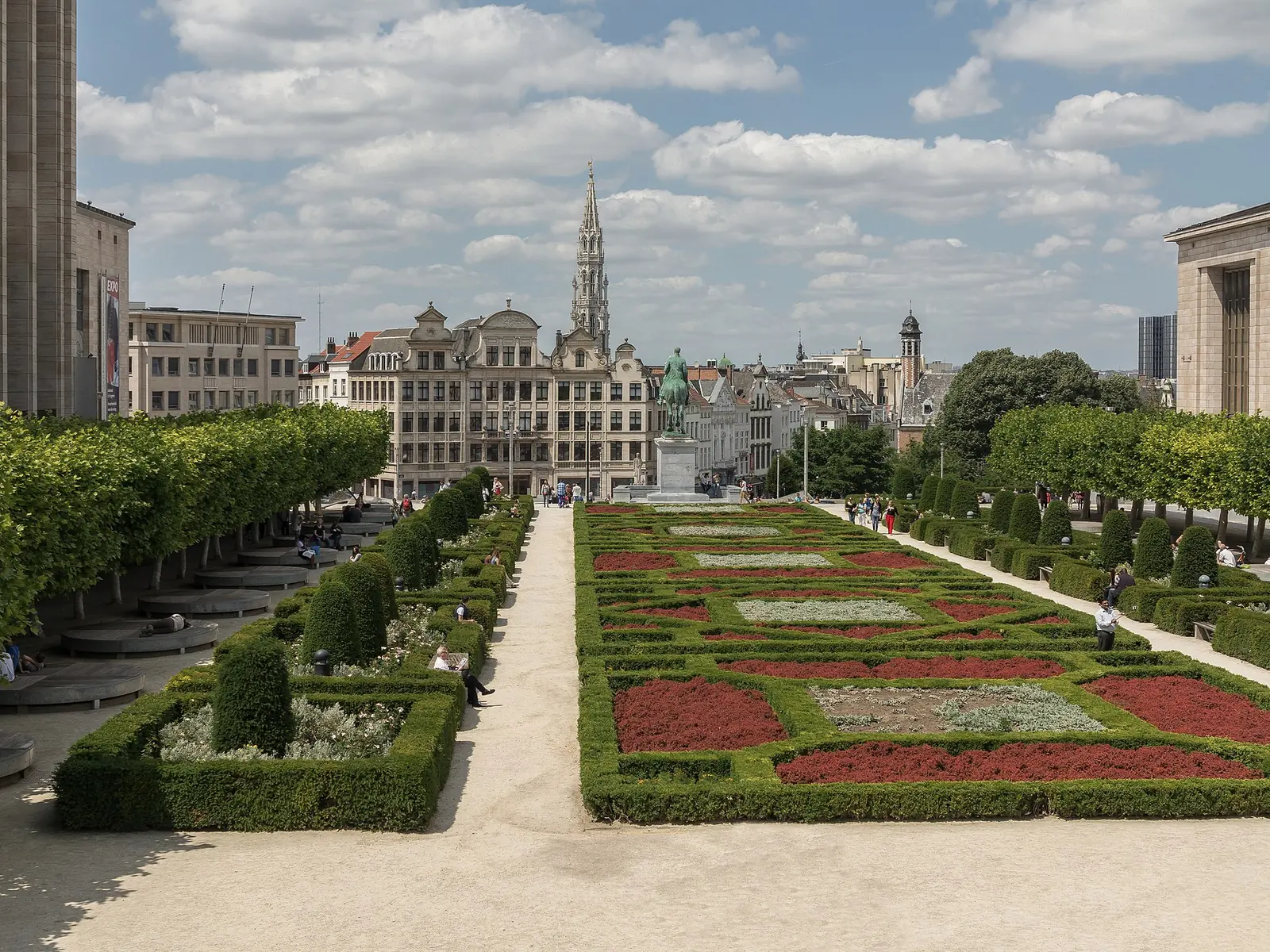
Brussels sits at the centre of Western Europe's high-speed rail network. From Brussels-South (Brussels-Midi) station, Eurostar trains reach Paris in around an hour and a half and London in roughly two hours, with direct services also running to Amsterdam and to German cities such as Cologne. For many trips within the region, the train is as fast as flying once airport transfers are counted, and it delivers passengers straight to the city centre.
Brussels Airport, at Zaventem just north-east of the city, is linked to the main central stations by frequent trains, with a journey of around a quarter of an hour. Within the city, a network of metro, tram and bus lines makes it easy to get around without a car, and much of the historic centre is best explored on foot.
The weekend city
When the working week ends, Brussels changes character. The European Quarter quietens, and the life of the city shifts to its historic centre and neighbourhoods.
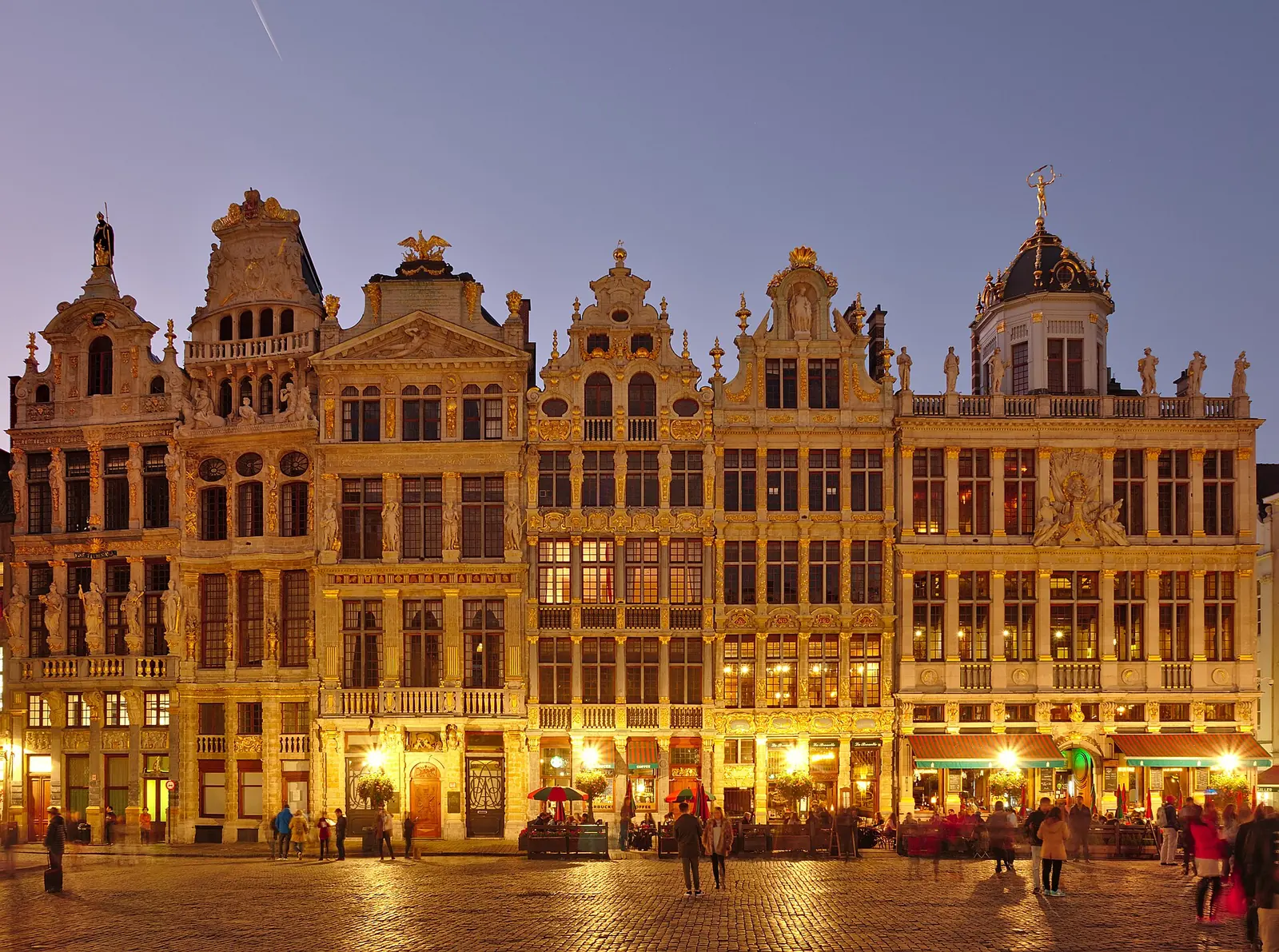
The Grand-Place, with its ornate guildhalls and Town Hall, is a UNESCO World Heritage Site and one of the most striking squares in Europe. A few streets away, the Royal Galleries of Saint-Hubert, among Europe's earliest covered shopping arcades, house chocolatiers, cafés and bookshops. Further afield, the Atomium, built for the 1958 World's Fair, remains the city's most recognisable landmark.
Brussels is also a city of museums and architecture. The Royal Museums of Fine Arts of Belgium include a museum dedicated to René Magritte, and several town houses by Victor Horta, a pioneer of Art Nouveau, are listed by UNESCO. The city's long association with comics, from Tintin onwards, is visible in murals scattered across its streets and in a museum devoted to the art form.
Then there is food and drink. Belgian beer culture, with its wide variety of styles, is inscribed on UNESCO's list of the intangible cultural heritage of humanity. Chocolate, waffles and fries are the obvious attractions, but the city's dining scene is far broader, reflecting a cosmopolitan population drawn from across Europe and beyond.
Neighbourhoods worth knowing
Brussels rewards visitors who venture beyond the centre. Ixelles and Saint-Gilles are known for Art Nouveau architecture, independent shops and lively cafés. The Sablon area is associated with antiques dealers and chocolatiers. The canal area and Dansaert district have a more contemporary feel, with design shops and restaurants. Each offers a different perspective on a city that is officially bilingual, in French and Dutch, and international in everyday life.
Making a business trip into a long weekend
Extending a business trip into the weekend is often straightforward. Hotel prices in business-oriented districts can soften once the working week ends, while the leisure attractions come into their own. Travellers who arrive for meetings on a Thursday and leave on a Sunday get both sides of the city with little extra travel.
Longer professional stays also suit apartments rather than hotel rooms. For someone in town for several weeks, perhaps on a temporary assignment or a training programme, a furnished apartment with a kitchen and a workspace can be more comfortable and practical. Visitors looking for this kind of accommodation can book an apartment in Brussels through local operators such as Hexuvium, a concierge company founded in the city in 2015.
Practical notes
Brussels' weather is changeable throughout the year, so an umbrella is rarely wasted. The city is compact, but its hills, particularly between the lower town and the upper town, can surprise visitors who plan to walk everywhere. Public transport tickets can be bought with contactless bank cards on much of the network, which simplifies short visits.
Short-term rentals in Brussels are subject to regional rules, as they are in many European cities. Guests generally need not worry about the details, but those planning to let property in the city should check the current requirements with the Brussels authorities before doing so.
A city that repays a second look
Brussels' reputation as a city of institutions can obscure what it offers beyond the conference room: architecture, art, food and a lively mix of cultures within easy reach of each other. For business travellers, staying an extra day or two may be the simplest way to discover it.