Sustainable travel is often presented as a list of things to give up. In practice, many of the most effective choices are also among the most enjoyable: arriving in a city centre by train, exploring it by bike and staying long enough to get to know it. Europe, with its dense rail network and compact cities, is particularly well suited to this slower approach.
Why transport matters most
For most trips, the journey to and from the destination accounts for the largest share of a traveller's carbon footprint. Studies by bodies such as the European Environment Agency have consistently found that rail produces far lower greenhouse gas emissions per passenger-kilometre than flying or driving alone. The exact figures depend on the train, how full it is and how the electricity that powers it is generated, but the gap is substantial.
The implication is simple: where a train is a realistic alternative to a flight, choosing it is usually the single most effective way to reduce a trip's environmental impact.
The train renaissance
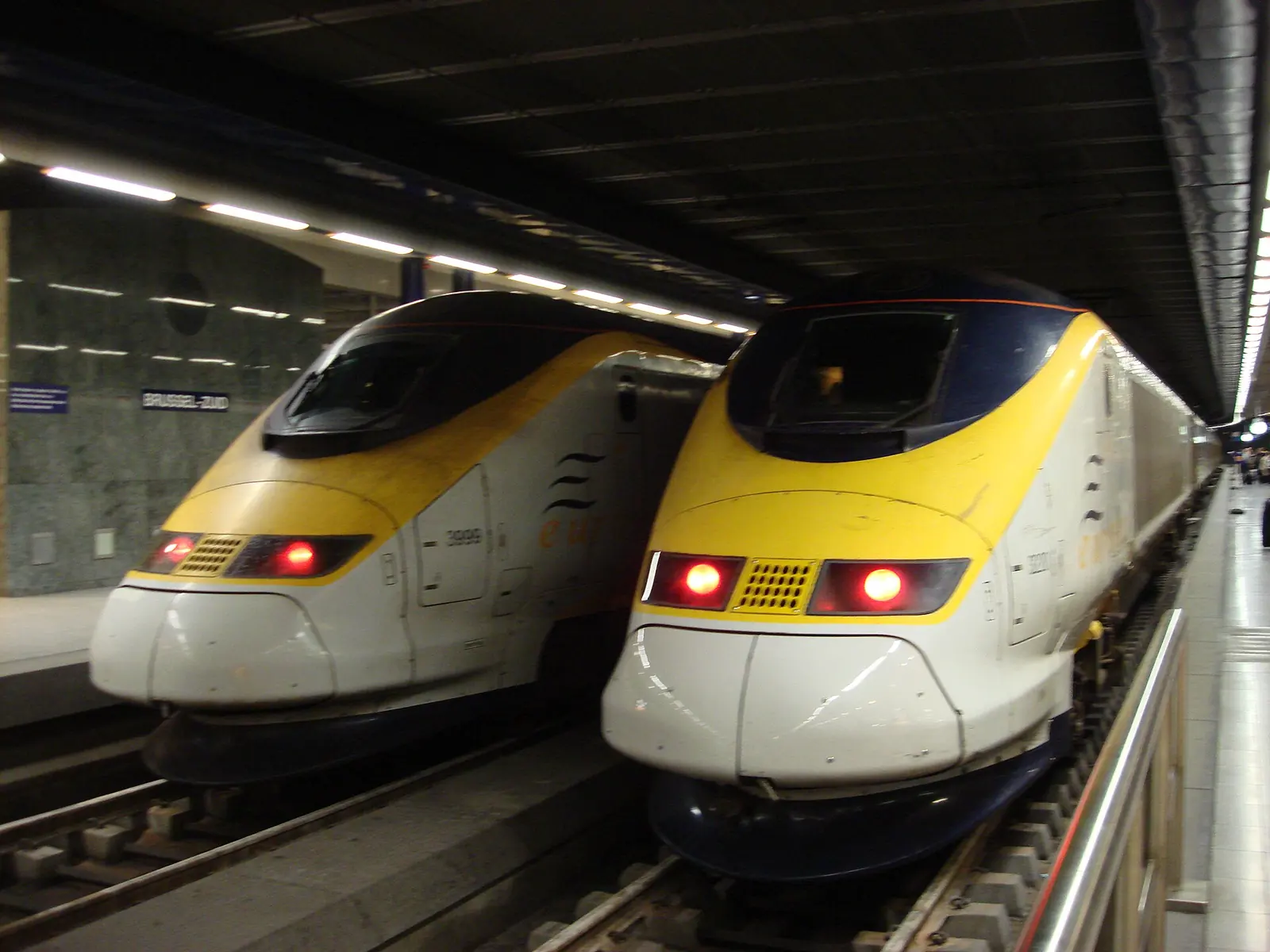
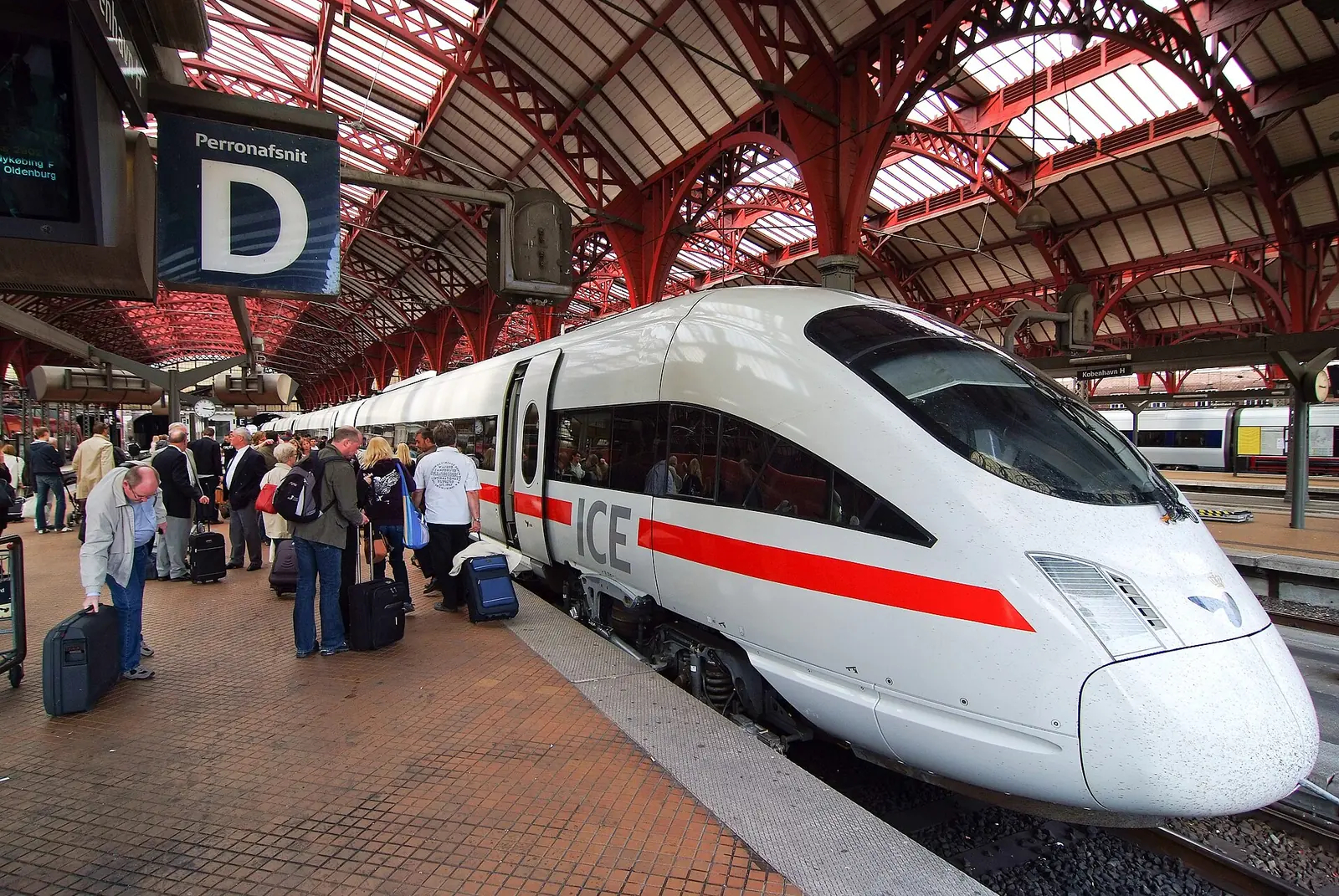
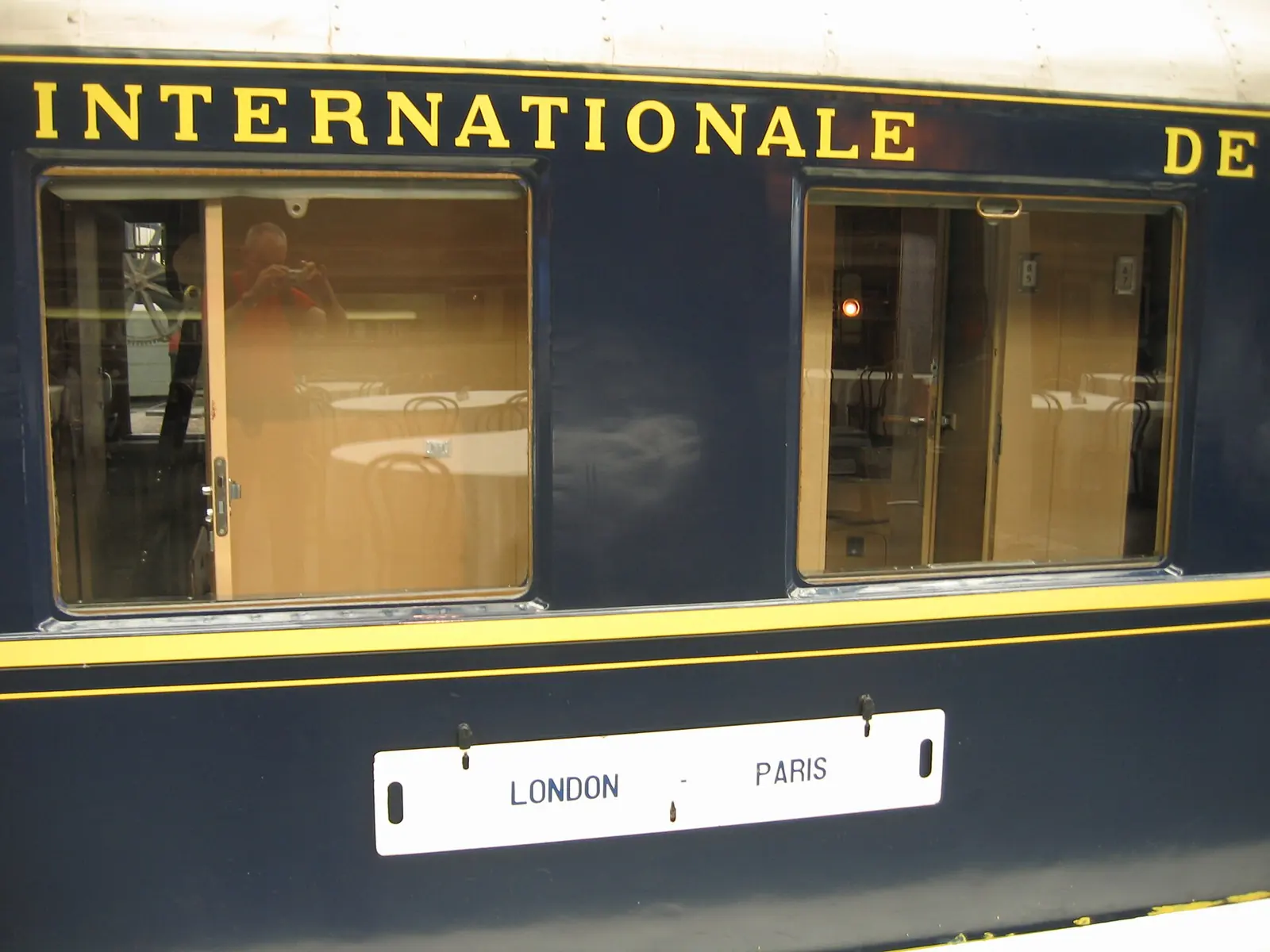
Rail travel in Europe has been gaining momentum. High-speed lines connect many major cities in a matter of hours, often from centre to centre, which removes the transfers and security queues that lengthen air journeys. On routes of a few hundred kilometres, the train is frequently competitive on total journey time.
Night trains have also returned to the conversation after years of decline. Operators such as ÖBB's Nightjet, and newer entrants such as European Sleeper, run overnight services between several European cities, turning travel time into sleeping time and saving the cost of a night's accommodation, although the network remains fragile and some routes have been cut as others have opened. Policy has followed public interest in some places: France, for example, has prohibited certain short domestic flights where a rail alternative of under two and a half hours exists.
Rail travel is not without frustrations. Booking cross-border journeys can be complicated, prices vary widely and delays happen. Booking early, being flexible on dates and allowing comfortable connection times all help. Rail passes can also offer good value for longer multi-city trips.
Bikes and feet at the destination
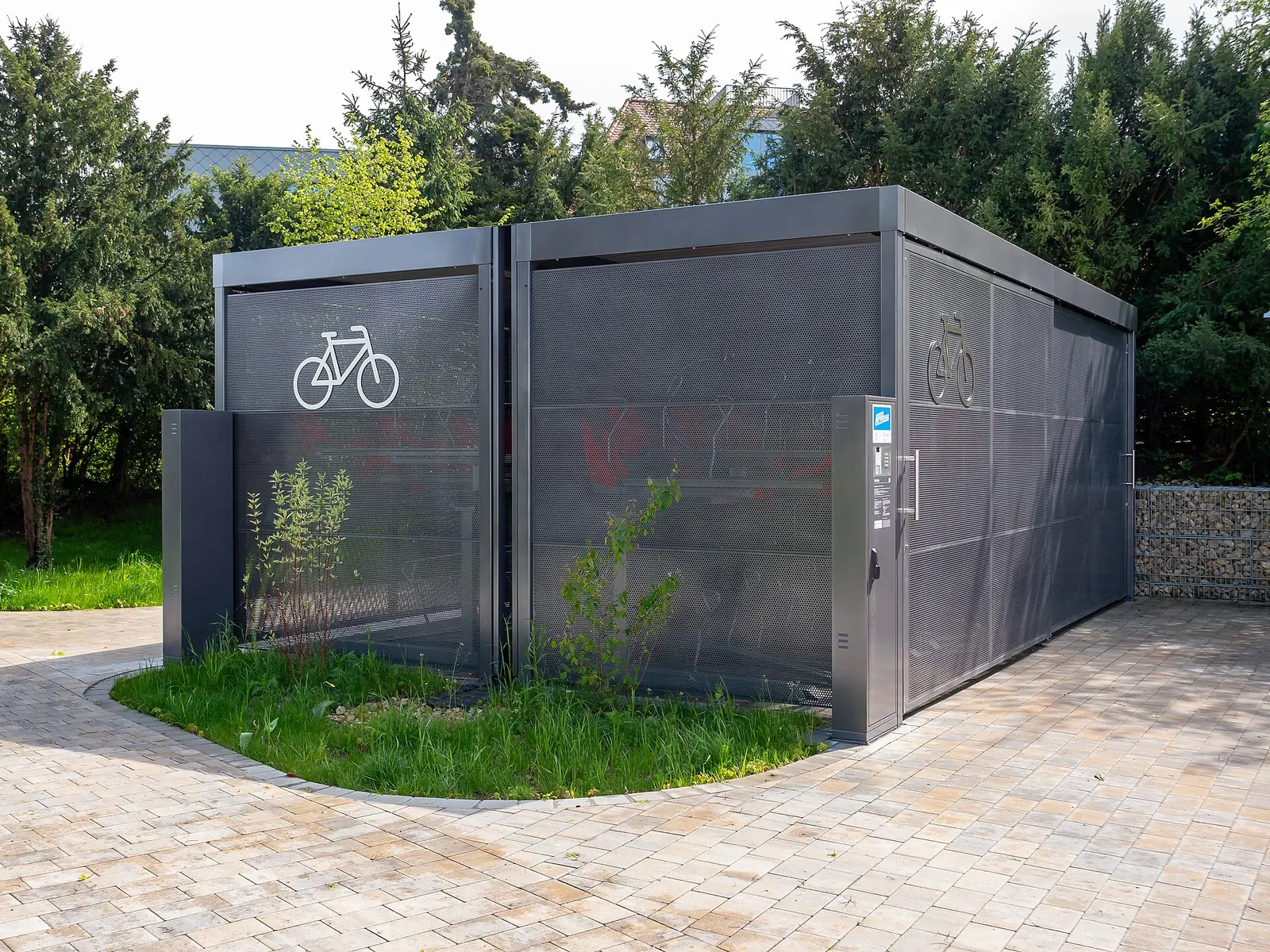
Once travellers have arrived, how they move around matters too. Many European cities have invested heavily in cycling infrastructure and public bike-sharing schemes, making the bicycle a practical way to cover distances that are too long to walk comfortably but too short to justify a taxi.
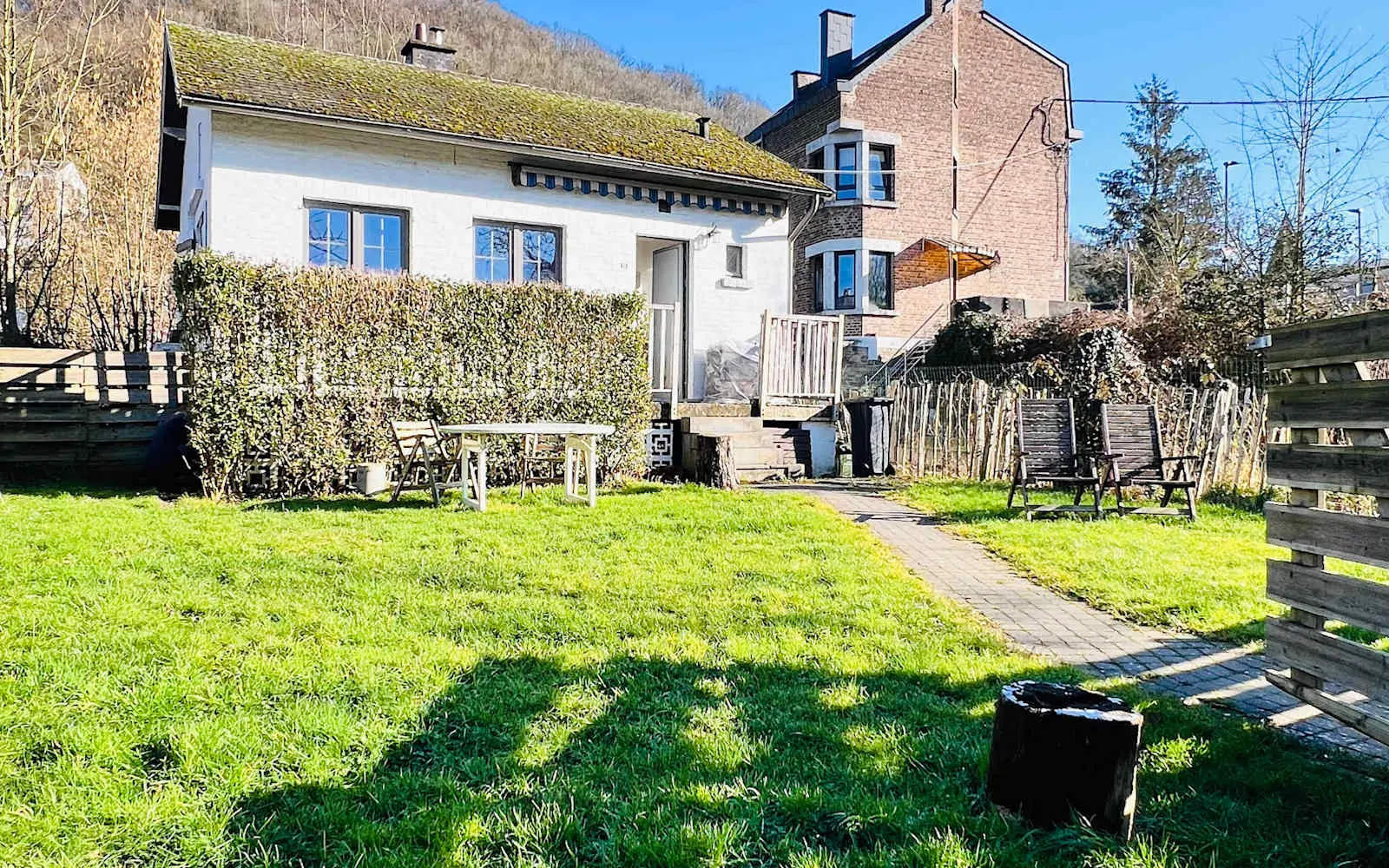
Cycling also changes the experience of a place. It allows visitors to reach neighbourhoods beyond the tourist core, stop wherever something catches their eye and see a city at a human pace. For those less confident on two wheels, public transport and walking offer the same benefits. Accommodation close to a station or a good tram line makes car-free travel far easier, which is worth considering when choosing where to stay.
The case for staying longer
Perhaps the most underrated sustainable choice is to take fewer, longer trips. A week in one place generates far fewer journeys than three separate weekends in three different cities. Longer stays also tend to change how travellers spend their time and money: more meals bought from local markets and neighbourhood restaurants, fewer rushed visits to the most crowded sights, and more spending spread across local businesses.
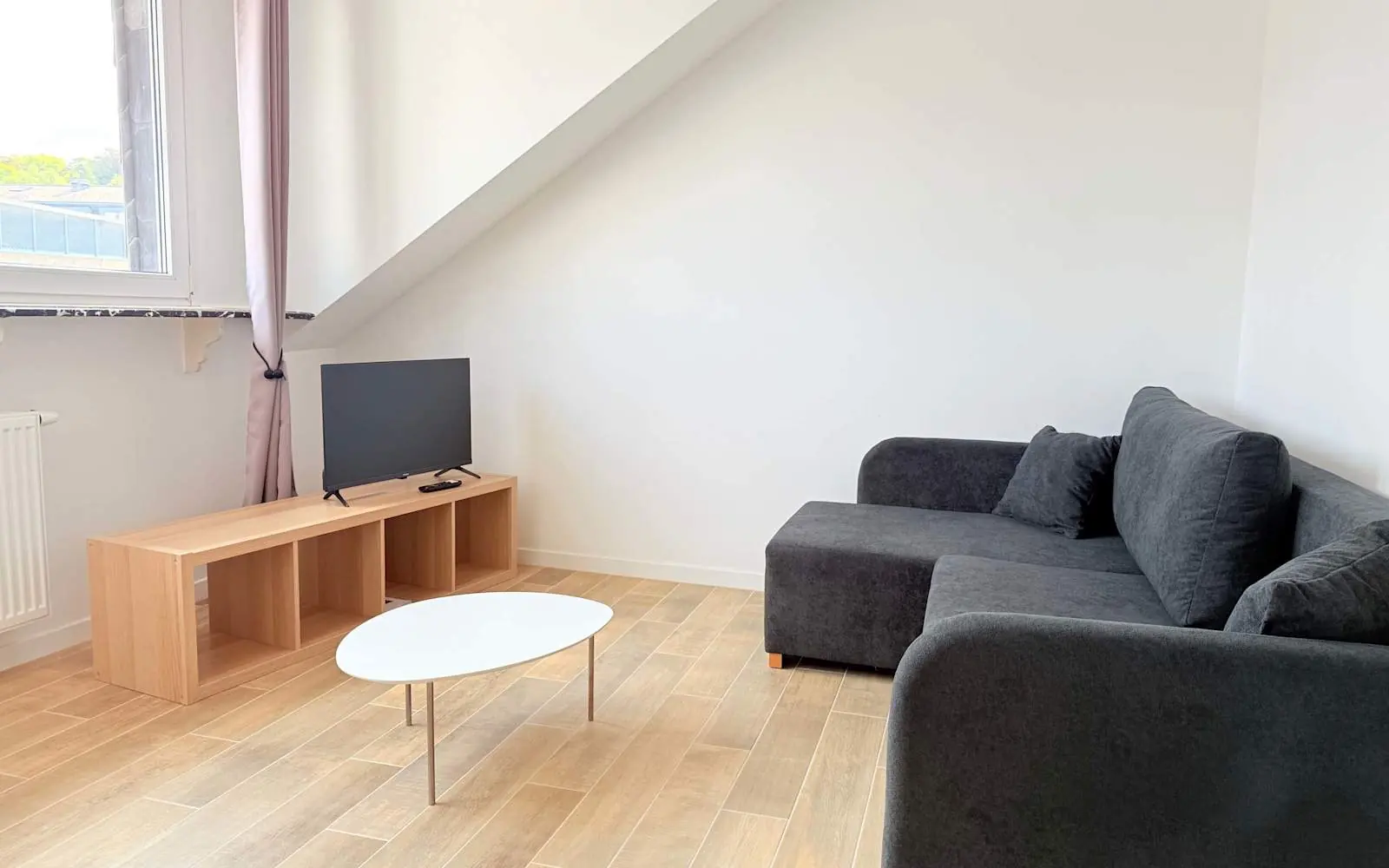
The rise of remote and hybrid work has made longer stays possible for more people. Combining a few days of work with evenings and weekends of exploration allows travellers to spend a fortnight somewhere without using all their annual leave. Accommodation suited to this pattern, with a proper workspace, a kitchen and laundry facilities, makes it far more comfortable.
Choosing accommodation with care
Where travellers stay also has an effect, though it is smaller than the impact of transport. Practical considerations include energy-efficient heating and cooling, sensible water use, recycling facilities and fewer single-use products. Guests can contribute by switching off heating and air conditioning when they go out, reusing towels and following local recycling rules.
There is also a social dimension to sustainability. In cities where short-term rentals are a sensitive issue for housing and neighbourhood life, choosing properties that are properly registered and comply with local rules supports a better balance between visitors and residents. Respecting neighbours, particularly in residential buildings, is part of travelling responsibly.
Avoiding the peaks
Timing is another lever. Travelling outside the busiest weeks spreads visitors more evenly across the year, eases pressure on popular destinations and usually offers better prices and a more relaxed experience. Shoulder seasons in spring and autumn are often ideal for city trips, with milder weather and fewer crowds.
A different rhythm
None of this requires perfection. A traveller who replaces one short-haul flight with a train journey, stays an extra few days instead of planning a separate trip, and explores by bike rather than taxi has already made a meaningful difference. Often, the result is also a better trip: less time in transit, more time in the place itself, and a deeper sense of having actually been somewhere.