The classic fortnight away has not disappeared, but it now shares the calendar with something else: the two- or three-night city break, taken several times a year and often booked only weeks in advance. This shift is not a single trend but the product of several forces pulling in the same direction. Understanding them helps travellers plan better and helps the people who host them adapt.
A continent built for short hops
Europe has always lent itself to quick trips. Capitals and major regional cities sit within a few hours of each other, borders inside the Schengen area involve no routine passport checks, and much of the continent shares a single currency. A weekend in another country requires little more administration than a weekend in another part of one's own.
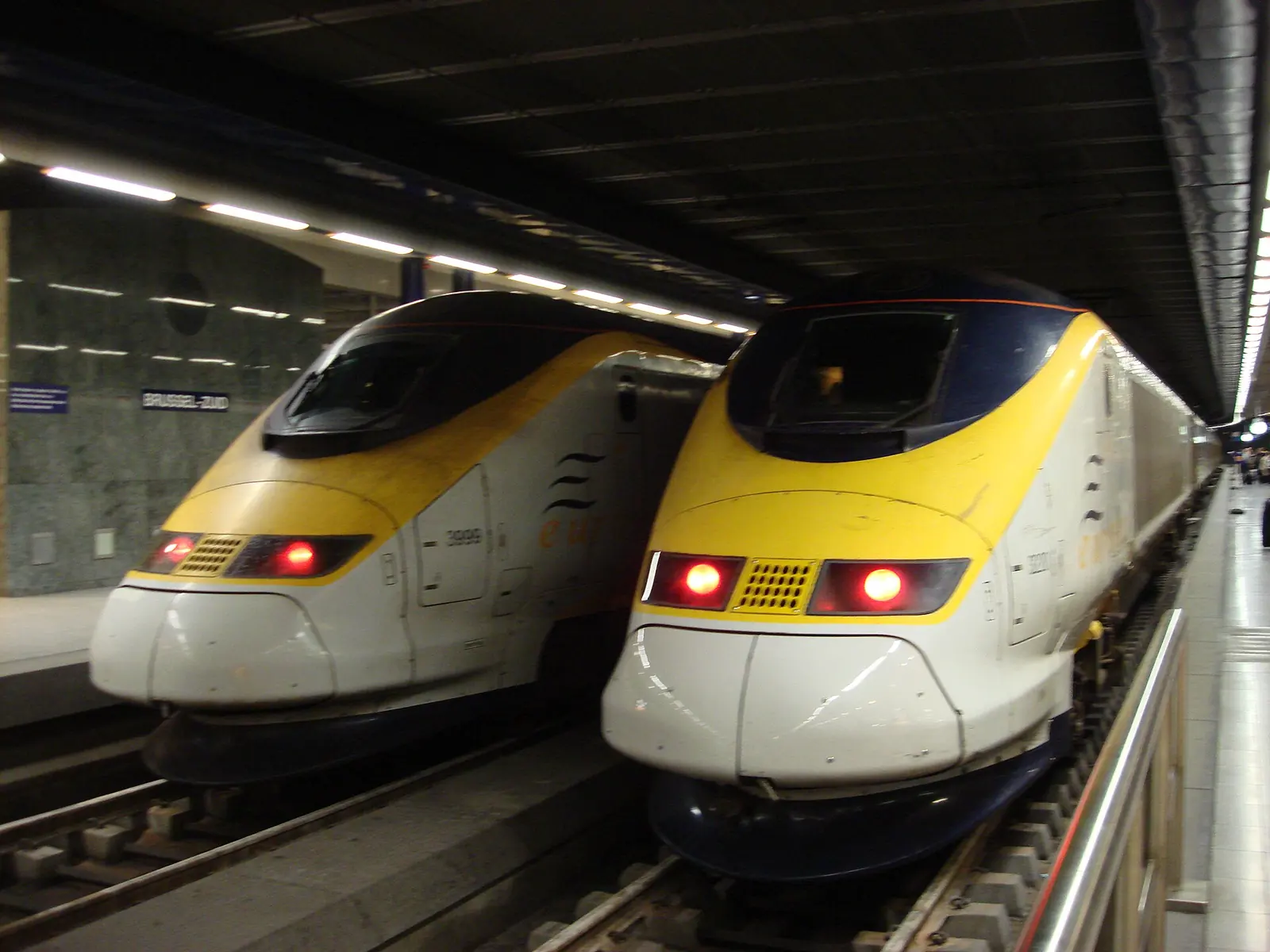
Transport has reinforced that geography. High-speed rail links many of the largest cities, low-cost airlines serve a dense web of secondary airports, and long-distance coach operators fill the gaps in between. When getting somewhere takes an afternoon rather than a day, the case for a short stay becomes much stronger: a Friday departure and a Sunday return no longer feel like a waste of travelling time.
The calendar is more flexible than it was
The other half of the story is time. The spread of hybrid and remote working since 2020 has loosened the link between where people work and where they must be on a Friday or a Monday. Many employees can now leave on a Thursday evening, work a day from their destination or return on a Monday morning train without taking leave.
This flexibility does not necessarily mean longer trips. More often, it means trips that are easier to fit in. Instead of saving all their leave for a single summer holiday, many people spread it across the year in smaller pieces: a long weekend in spring, a cultural break in autumn, a Christmas market in December. Public holidays and so-called "bridge" days become natural anchors for short escapes.
Variety over duration
There is also a change in what travellers want from a trip. Rather than getting to know one place deeply, many prefer to sample several. A short break suits that appetite well: a concert, an exhibition, a restaurant someone recommended, a neighbourhood that has been written about. Events increasingly drive the decision to travel, and events are, by nature, short.
Social media plays a part as well. Destinations circulate quickly, and a city that appears repeatedly in feeds can become the obvious choice for the next free weekend. The result is a travel culture that rewards spontaneity and novelty, and tends to favour several brief trips over one long one.
Budgets and the cost of a weekend
Cost matters, but its effect is not straightforward. Shorter trips mean fewer nights to pay for, which makes them easier to justify when household budgets are under pressure. At the same time, demand concentrated on Friday and Saturday nights tends to push weekend prices up in popular cities. Travellers who can shift their stay by a day, arriving on a Thursday or staying until Monday, often find better value precisely because the flexibility described above allows them to.
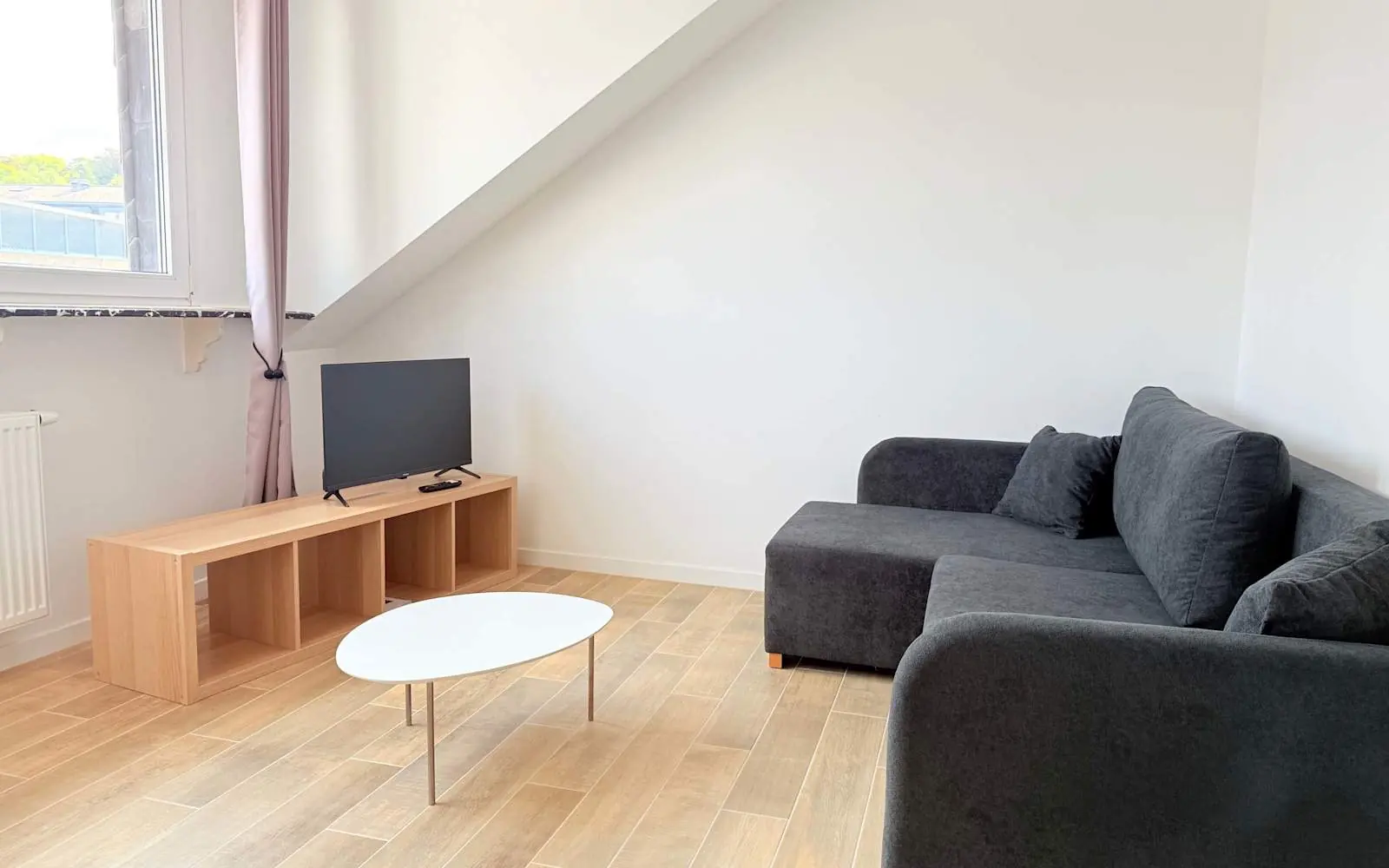
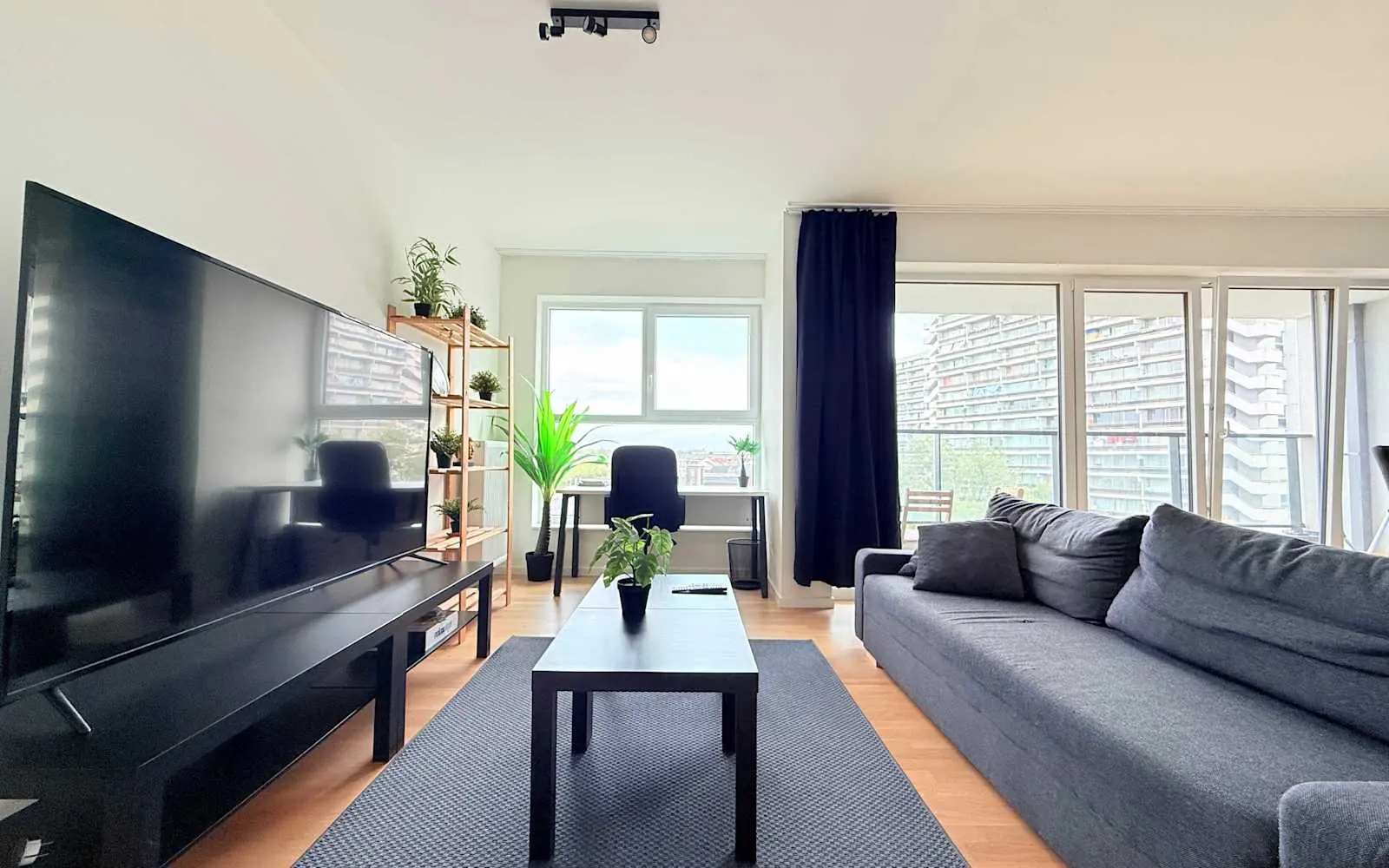
Food and activities absorb a growing share of spending on these trips. With only a couple of days available, travellers tend to prioritise experiences over things, and are often willing to pay for convenience: a central location, a self check-in that saves time on arrival, or an apartment with a kitchen that lets a group eat in one evening.
What it means for accommodation
Shorter, more frequent stays change the economics of hosting. Each booking brings a turnover: cleaning, fresh linen, restocking and a new arrival to manage. A property that hosts a guest for two nights rather than seven goes through that cycle far more often, which places a premium on reliable operations and good scheduling.
Guest expectations shift too. On a short trip, every hour counts. Clear instructions, flexible arrival times and fast responses to messages are not extras but core parts of the experience. A delayed key handover or a confusing set of directions can consume a meaningful share of a 48-hour stay, and guests tend to remember it when they leave a review.
Location becomes more important as well. Someone who has only a weekend wants to walk to the old town, the station or the venue, not spend an hour commuting. Apartments near transport hubs and central districts benefit most from this pattern.
The counter-trend: staying longer
Not everyone is travelling in shorter bursts. The same flexibility that enables a quick weekend also allows some people to stay for weeks or months, working remotely from another city. Concerns about the environmental cost of frequent flying have also led some travellers to take fewer, longer trips, often by train. European travel is therefore polarising rather than simply shrinking: more very short stays, more long ones, and relatively less in the middle.
Looking ahead
The short city break looks set to remain a fixture of European travel. The infrastructure that supports it is already in place, and working patterns are unlikely to return fully to the old rhythm. What may change is how people choose to travel: rising interest in rail, growing attention to the local impact of tourism and evolving rules on short-term rentals in many cities will all shape where and how these trips happen.
For travellers, the lesson is to plan with flexibility in mind, since an extra weekday can transform both the price and the experience. For hosts and cities, it is to prepare for a steady flow of brief visits, each of which needs to run smoothly from the first message to the final check-out.