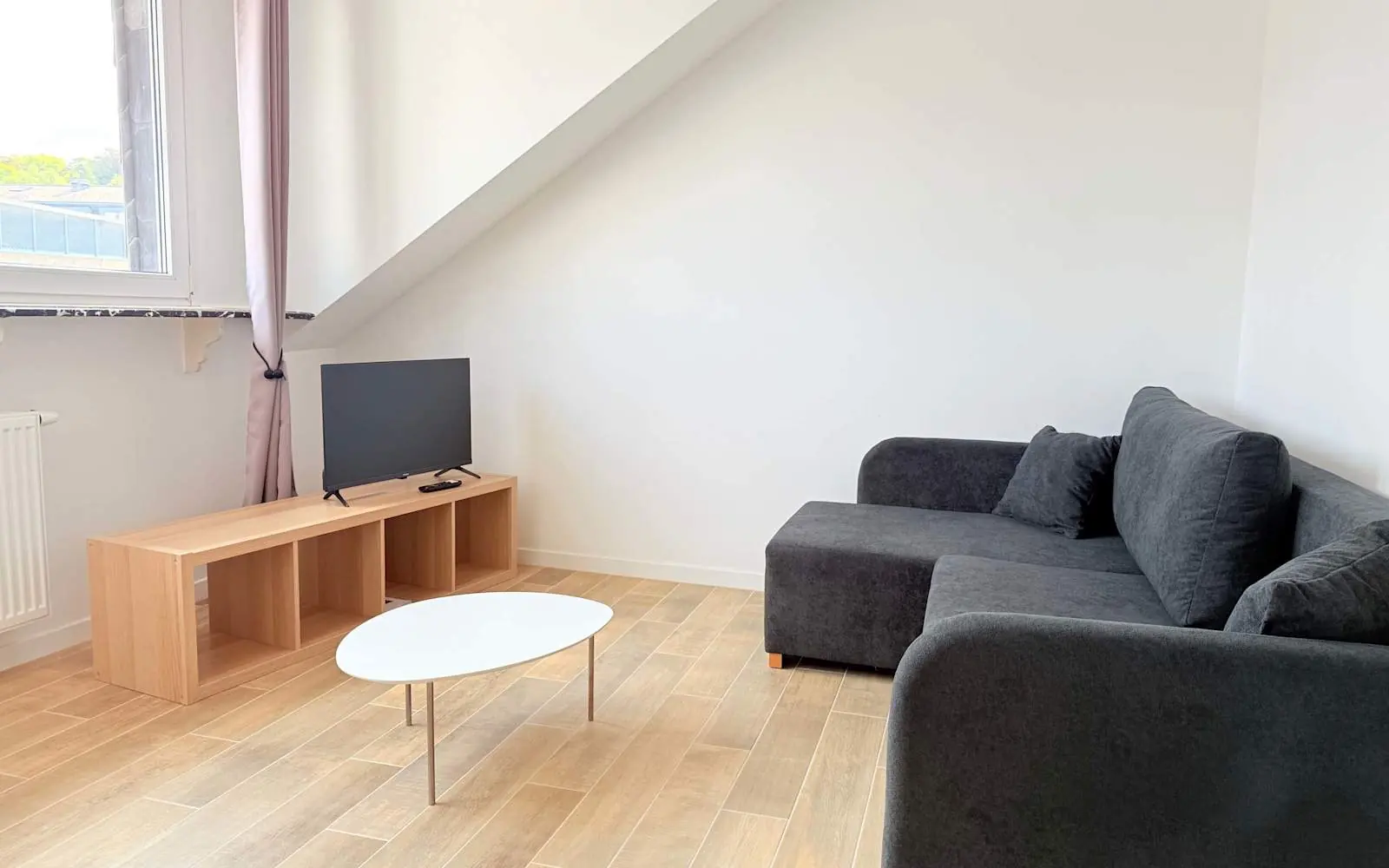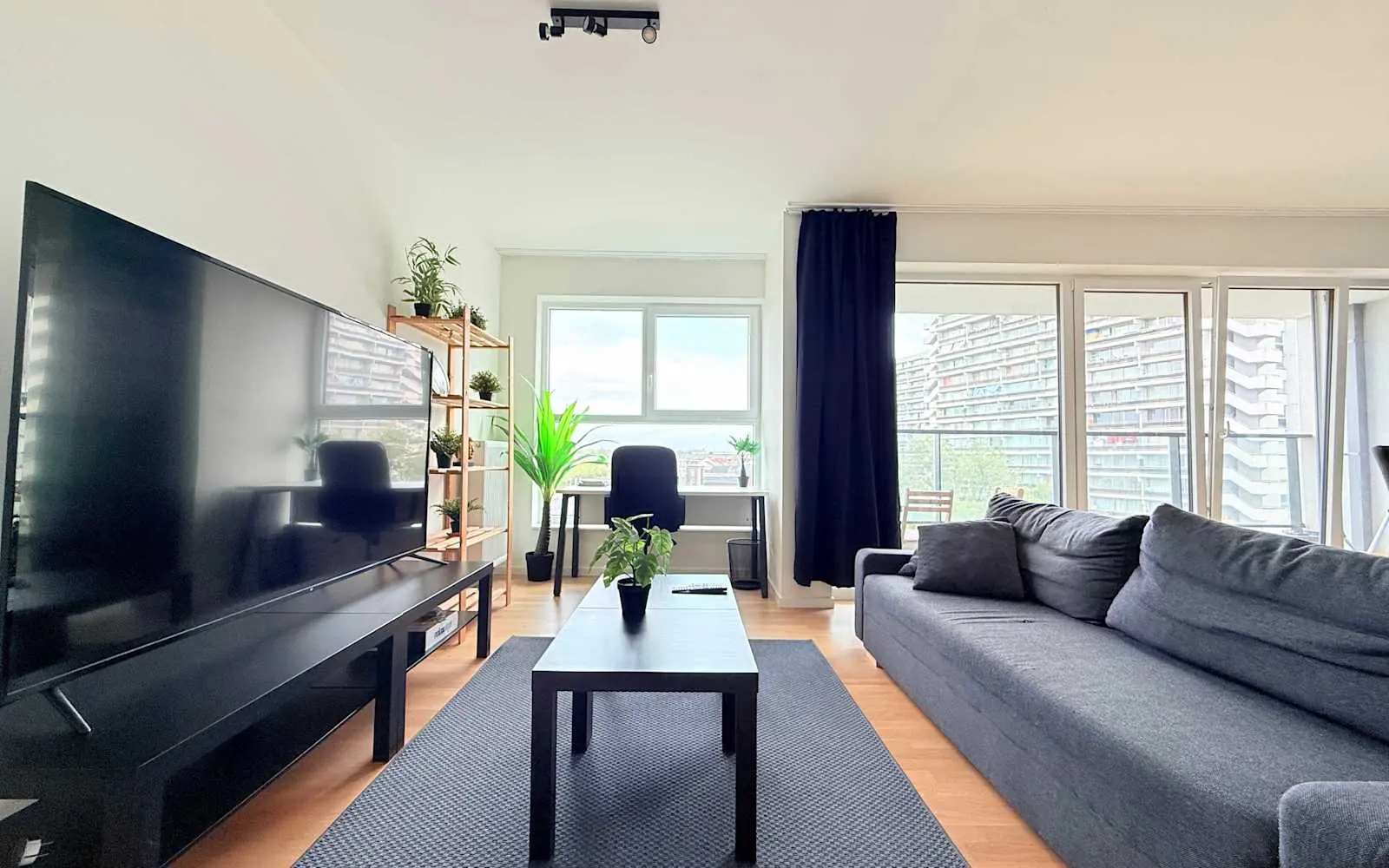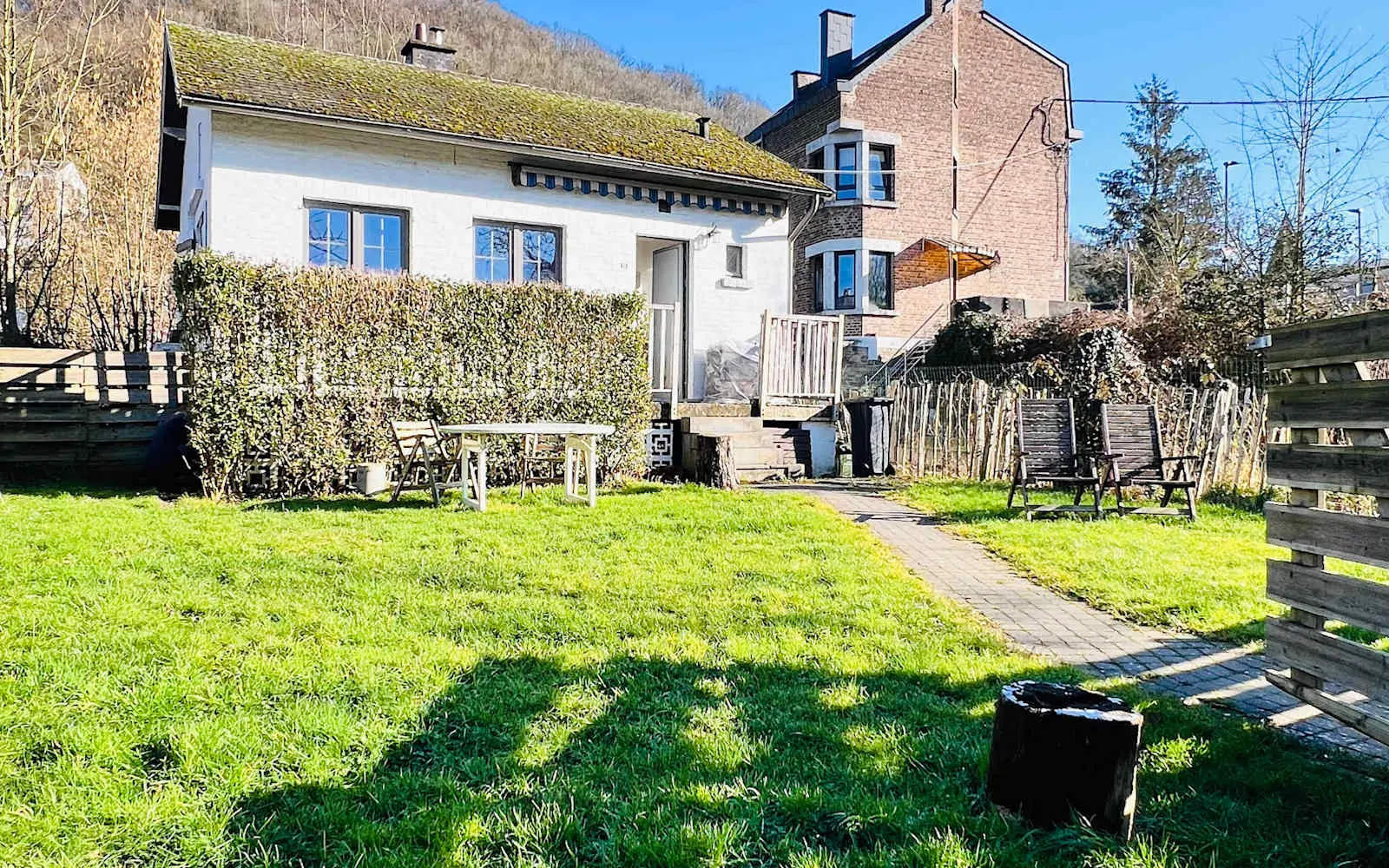
When guests review a short-term rental, they are not only asked for an overall verdict. Platforms break the experience down into categories, and those categories reveal what shapes a stay. Some, such as location, are largely fixed. Others depend almost entirely on how the property is run. Three stand out: cleanliness, check-in and communication.
What the platforms measure
Airbnb asks guests to rate six aspects of their stay alongside an overall score: cleanliness, accuracy, check-in, communication, location and value. Booking.com uses its own set of categories, including staff, facilities, cleanliness, comfort, value for money and location. Vrbo and other platforms follow similar logic.
Across these systems, cleanliness appears everywhere. Check-in and communication are named explicitly on Airbnb and are reflected, on Booking.com, in the score for staff. Together, they cover the moments that guests experience most directly: arriving, settling in and getting help when they need it.
These categories matter beyond the individual review. Ratings influence how listings appear in search results, and platforms use them in host recognition programmes. Airbnb's Superhost status, for example, requires a high overall rating along with a strong response rate and a low cancellation rate. More fundamentally, prospective guests read the category scores to judge whether a property can be trusted.
Cleanliness: the non-negotiable
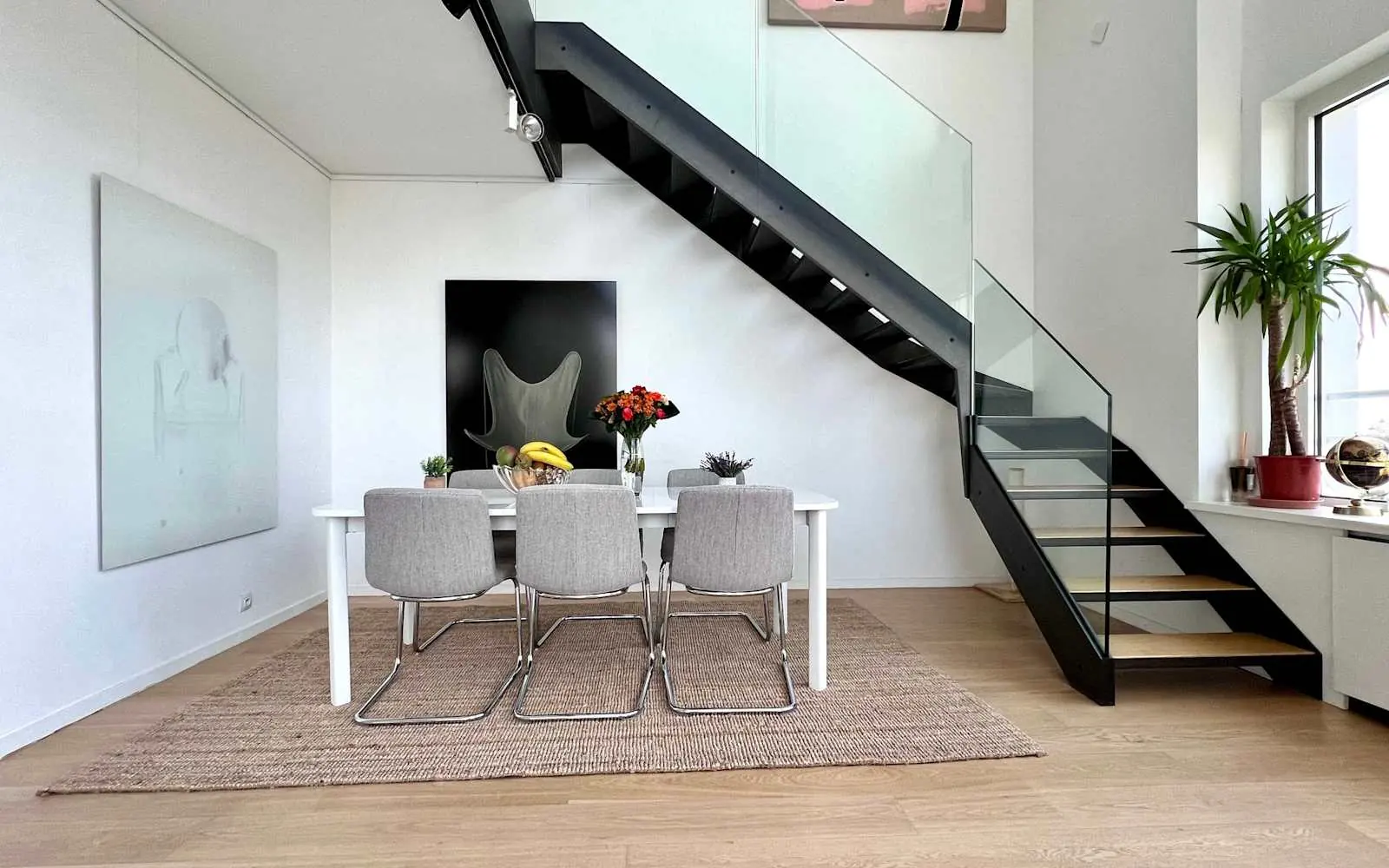
Cleanliness is the category on which guests are least forgiving. A beautifully designed apartment with a hair in the shower or dust on the skirting boards will be judged by the hair and the dust. Many guests check the cleanliness score before anything else.
Getting it right depends on process rather than effort alone:
- A detailed checklist. Every turnover should follow the same list, room by room, including easily forgotten areas such as under beds, inside the microwave, light switches and door handles.
- Enough time. Rushed turnovers are the most common source of lapses. Scheduling realistic time between departure and arrival, especially for larger properties, protects quality.
- Professional laundry. Bed linen and towels that are fresh, white or consistently coloured and free of stains make an immediate impression.
- Inspection. A final check, ideally documented with photos, catches problems before the guest does.
- Deep cleans. Regular deep cleaning, beyond the standard turnover, keeps the property in the condition shown in its listing.
When a guest does report a cleanliness issue, the response matters. Sending someone promptly to fix it, and apologising sincerely, can rescue a stay that might otherwise produce a poor review.
Check-in: the first impression
The arrival sets the tone for everything that follows. A guest who has travelled for hours and then struggles to find the building, decode the instructions or open a stubborn key box starts their stay frustrated.
A smooth check-in usually rests on a few elements:
- Clear instructions, sent at the right time. Directions with photos of the entrance, the key box and any tricky door work better than text alone. Sending them a day or two before arrival, and again on the day, helps them be read.
- Flexibility. Self check-in lets guests arrive whenever their travel allows. Where in-person welcomes are used, keeping in touch about delays avoids long waits.
- Reliability. Smart locks need charged batteries and working codes; key boxes need to be checked. A backup plan, and someone reachable, is essential when something fails.
- A good first view. Lights on or easy to find, a comfortable temperature and a short welcome note make the property feel ready for the guest.
Local formalities, such as guest registration or tourist taxes, are best handled in advance where possible, so that they do not slow down the arrival itself.
Communication: being there, without hovering
Communication covers every exchange, from the first question before booking to the farewell message. Guests want quick, clear and friendly answers, but they also value their privacy.
Responsiveness is the foundation. Platforms track how quickly hosts reply, and guests notice when a question goes unanswered for hours. Many operators combine templates or automated messages for routine information with a person available for anything unusual.
Clarity is the second element. A house manual that explains the appliances, the Wi-Fi, the rubbish collection and the house rules reduces the number of questions and the risk of misunderstandings. Anticipating common issues, such as how to operate an unusual shower or where to park, saves both sides time.
Tone is the third. Friendly, concise messages, written in the guest's language where possible, build goodwill. A brief check-in after the first night, asking whether everything is in order, gives guests an easy opening to raise problems while they can still be fixed.
Why these three, together
Cleanliness, check-in and communication reinforce each other. A clean property reduces complaints; a smooth arrival builds trust; good communication turns small problems into minor episodes rather than defining memories. Weakness in one can drag down the others, and the overall score with them.
They are also the categories that most clearly reward professional operations. Specialist managers build their routines around them, from cleaning checklists to round-the-clock guest messaging. Travellers who want that consistency can, for instance, find apartments run by Hexuvium, a concierge operating in 19 countries.
The takeaway
Location and value are partly shaped by forces beyond a host's control. Cleanliness, check-in and communication are not. Hosts who treat them as systems, with checklists, backups and clear messages, give every guest the same strong start, and the reviews tend to reflect it.