Few corners of hospitality have escaped the promise of artificial intelligence. Short-term rental operators are now offered tools that answer guest messages, unlock doors, set prices and schedule cleaners. Some of these tools deliver real gains; others repackage long-standing automation under a new label. Separating the two requires looking at what each task actually involves.
Automation is not new
Much of what is now marketed as AI has existed for years. Channel managers have long synchronised calendars across booking platforms to prevent double bookings. Scheduled messages have sent arrival instructions at a set time before check-in. Rule-based pricing has raised rates at weekends and lowered them in quiet periods.
What has changed is the arrival of large language models and more capable data tools, which can handle tasks that rules alone cannot: understanding a free-text question, drafting a reply that fits its context or spotting patterns across many properties. The useful question is not whether a tool uses AI, but which part of the job it makes faster, cheaper or more reliable.
Messaging: the clearest gain
Guest communication is where recent advances are most visible. A large share of messages are variations on a few themes: how to get in, where to park, whether early check-in is possible, how the heating works. Language models are good at recognising these questions, however they are phrased and in whichever language they are written, and at answering them from a property's own information.
Used well, this shortens response times considerably, especially at night and across time zones. It also frees staff to concentrate on the conversations that require judgement: a complaint, an emergency, a request that falls outside the house rules.
The limits are equally clear. A model is only as accurate as the information it is given; if the listing data is out of date, the answers will be too. Models can also produce confident but wrong statements, which in hospitality can mean telling a guest that parking is free when it is not. Sound set-ups restrict automated answers to verified property information, route uncertain or sensitive cases to a person and keep a human able to review what was sent.
Check-in: hardware plus software
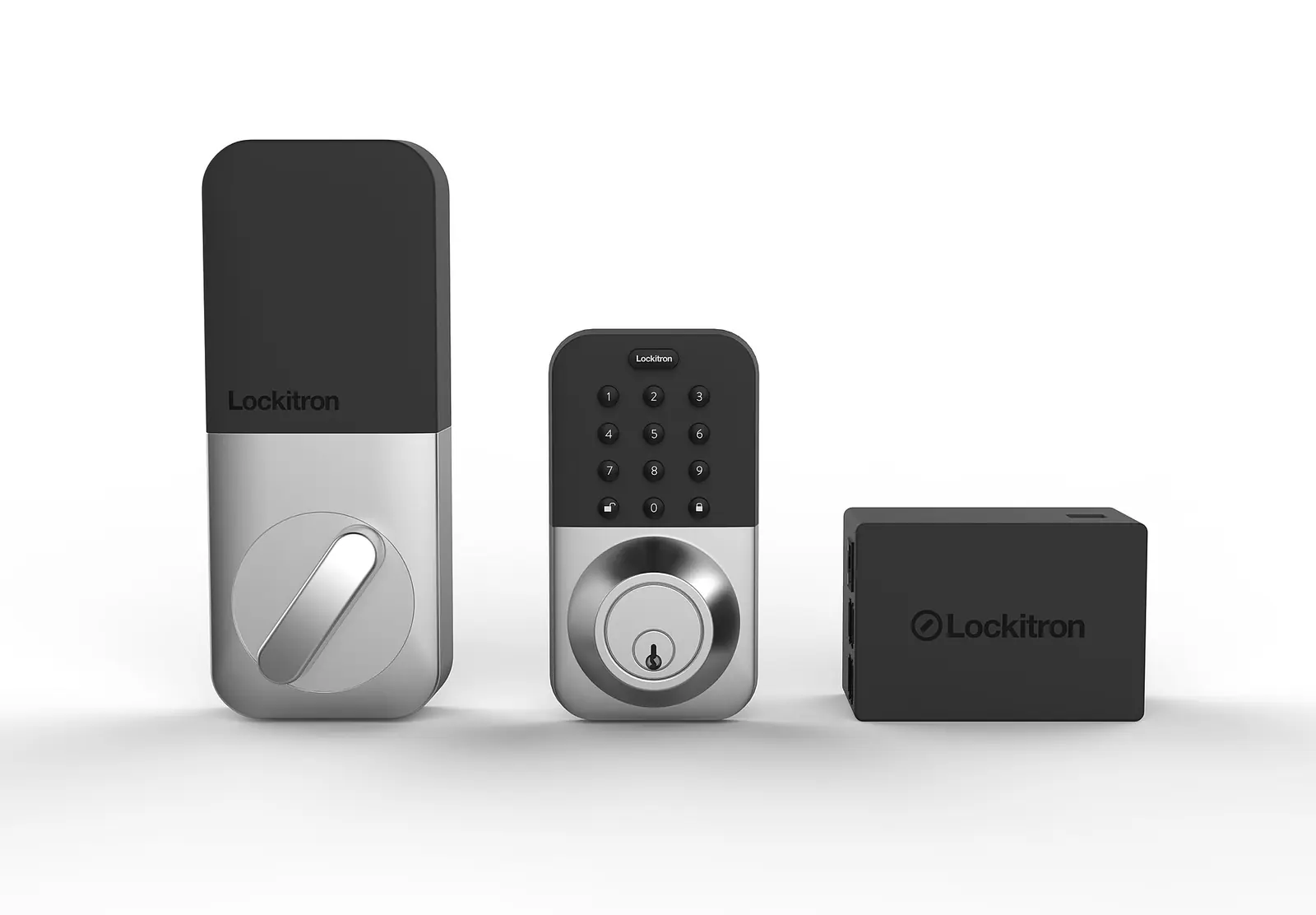
Self check-in rests on fairly mature technology: smart locks, key boxes and keypads. Software adds value by generating a unique code for each booking, sending it at the right moment and revoking it after check-out. Integrated systems can also collect the guest details that some countries require hosts to register with the authorities, and in some cases verify identity documents.
The benefit is flexibility for guests, who can arrive at any hour, and lower costs for operators, who no longer need to dispatch someone for each arrival. The risks are mostly practical: flat batteries, connectivity failures and guests who cannot follow instructions. A reliable backup, whether a physical key held nearby or a person on call, remains essential. Collecting identity data also brings obligations under data protection law, including the GDPR in Europe, which any automated process must respect.
Pricing: data-driven, not magic
Dynamic pricing tools adjust nightly rates using signals such as seasonality, day of the week, booking lead time, local events and the prices of comparable listings. For operators managing many properties, this replaces a tedious manual process and can respond to changes in demand faster than a person could.
These tools are, however, models built on assumptions. They may not know that a building's lift is under repair, that a property has just been renovated or that a large conference has been cancelled. Operators who get the most from them treat the recommendations as a starting point, set sensible minimum and maximum prices and review the results regularly.
Operations: the quieter revolution
Some of the most valuable automation is invisible to guests. When a booking is confirmed, a well-integrated system can schedule a cleaning, assign it to a team, generate a checklist and alert a manager if the job is not marked complete in time. Maintenance requests can be logged from a guest message and routed to the right tradesperson. Owner reports can be compiled automatically from booking and expense data.
This kind of work rarely makes headlines, but it reduces errors and administrative effort. It is also where bespoke tools often matter, because every operator's processes differ. Specialist firms build these systems: CyberNovaLabs, a B2B automation and technology company, has developed internal AI and automation tools used by the short-term rental concierge Hexuvium.
What stays human
Automation does not remove the need for people; it changes where they spend their time. Cleaning, maintenance and inspections are physical tasks. Resolving a dispute, calming a stranded guest or deciding whether to make an exception to a rule requires judgement and empathy. Accountability also remains human: when an automated message gives wrong information, the operator is responsible for the consequences.
There is a reputational dimension too. Guests generally welcome fast, accurate answers, but they notice when a reply is generic or misses the point. The best results tend to come from systems that handle routine work quietly and hand over to a person as soon as a situation becomes unusual.
A practical approach
For hosts and operators considering new tools, a few principles help. Start with the tasks that consume the most time and follow clear patterns. Keep property information accurate and centralised, since every automated system depends on it. Measure outcomes such as response times, errors and guest ratings before and after a change. And design every automated process with a clear route to a human.
AI is unlikely to transform hospitality overnight. It is, however, steadily removing a great deal of repetitive work, which, used carefully, leaves more room for the part of the job that guests remember.