
For a short-term rental, reviews are the closest thing to a reputation. Prospective guests read them before booking, platforms use ratings in their search rankings and a single detailed complaint can weigh on a listing for months. That pressure tempts some hosts towards shortcuts. The more durable approach is less exciting but far more reliable: earn the reviews.
Why honesty is not optional
There are practical as well as ethical reasons to avoid gaming reviews. Major platforms prohibit manipulation. Airbnb's review policy, for example, forbids offering incentives in exchange for a review, and platforms can remove reviews or take action against listings that break the rules. In the European Union, rules introduced through the Omnibus Directive, applicable since 2022, ban the submission or commissioning of fake consumer reviews and require businesses that publish reviews to explain whether and how they check that they come from genuine customers.
Beyond the rules, manipulation tends to defeat its own purpose. A property whose reviews promise more than it delivers produces disappointed guests, and disappointed guests write the most detailed reviews of all.
Start with an accurate listing
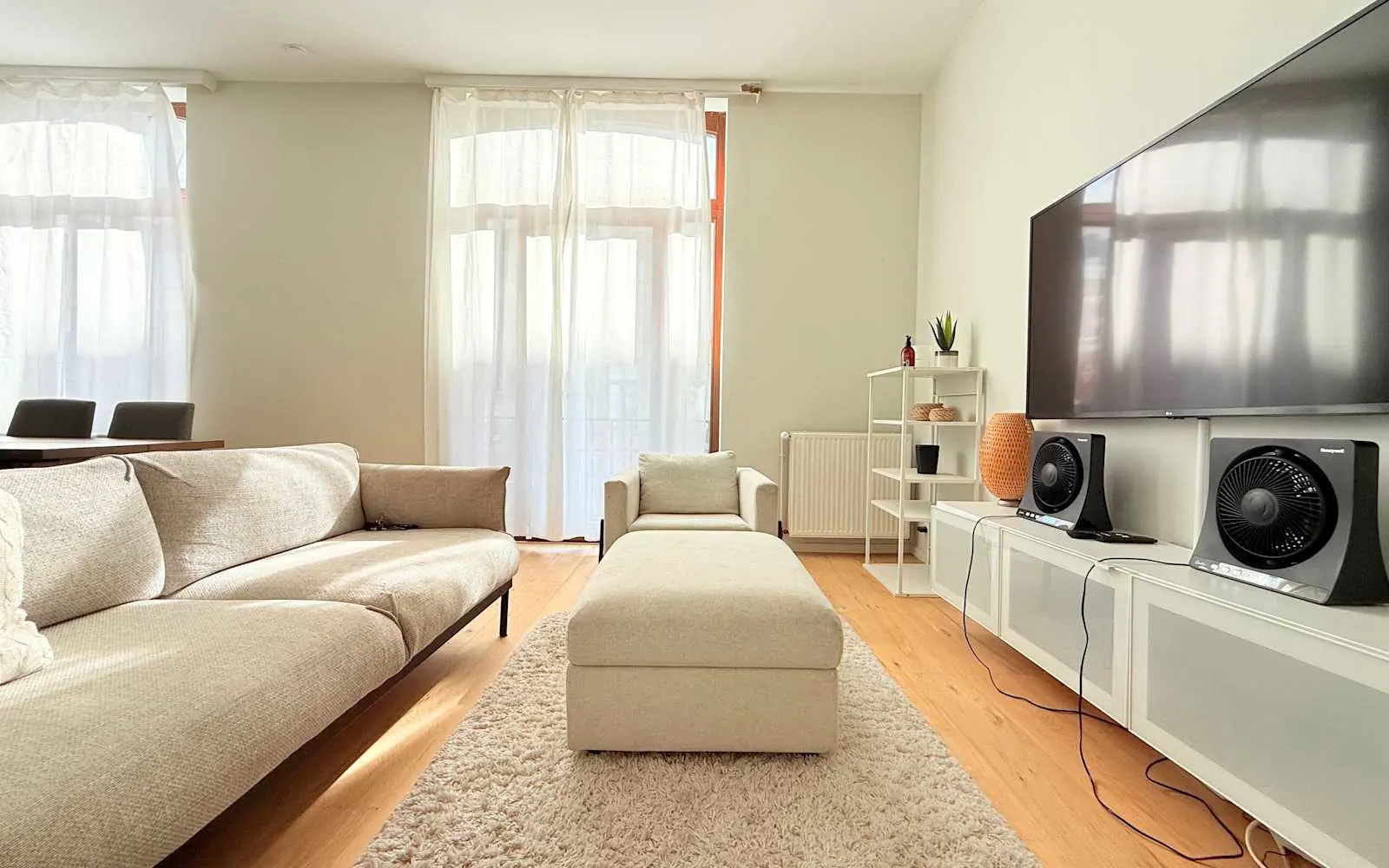
Most negative reviews stem from a gap between expectation and reality. The surest way to close that gap is a listing that describes the property honestly. That means photos that reflect its current state, a description that mentions the steep staircase, the street noise or the compact shower, and house rules that are stated clearly.
It can feel counter-intuitive to highlight a property's limitations. In practice, guests who know about a fifth-floor walk-up before they book rarely complain about it afterwards. Those who discover it on arrival often do.
Get the fundamentals right
Platforms ask guests to rate specific aspects of a stay. On Airbnb, the categories are cleanliness, accuracy, check-in, communication, location and value. Booking.com uses a similar set, including staff, facilities, cleanliness, comfort, value for money and location. Most of these are within a host's control.
Spotless cleaning, a straightforward arrival and prompt, friendly communication will not guarantee a perfect score, but neglecting any of them makes a good one unlikely. Small, thoughtful details, such as a clear guide to the appliances, a few basic groceries or a note of local recommendations, help, but they rarely compensate for weaknesses in the fundamentals.
Fix problems while the guest is still there
The best moment to deal with a potential bad review is during the stay. Guests who report a problem and see it resolved quickly often leave positive reviews, sometimes mentioning the response specifically. Those who feel ignored are much more likely to air the issue publicly.
Hosts can make it easy for guests to raise issues early: a short message on the first evening asking whether everything is in order, a visible contact number and a clear promise about response times. When something cannot be fixed immediately, explaining what will happen and when is usually enough to maintain goodwill.
Asking for reviews, without pressure
There is nothing wrong with reminding guests that reviews help small hosts. A brief, polite message after check-out, thanking them for their stay and inviting them to share their experience, is standard practice. What hosts should avoid is anything that conditions the request: offering discounts, refunds, gifts or future perks in exchange for a review, or asking only for positive feedback. Those practices cross the line from encouragement into incentive.
On Airbnb, guests and hosts have 14 days after check-out to write their reviews, and neither sees the other's review until both have been submitted or the period has ended. This system is designed to encourage candour. Respecting it, rather than trying to negotiate ratings privately, is part of earning trust.
Respond to every review
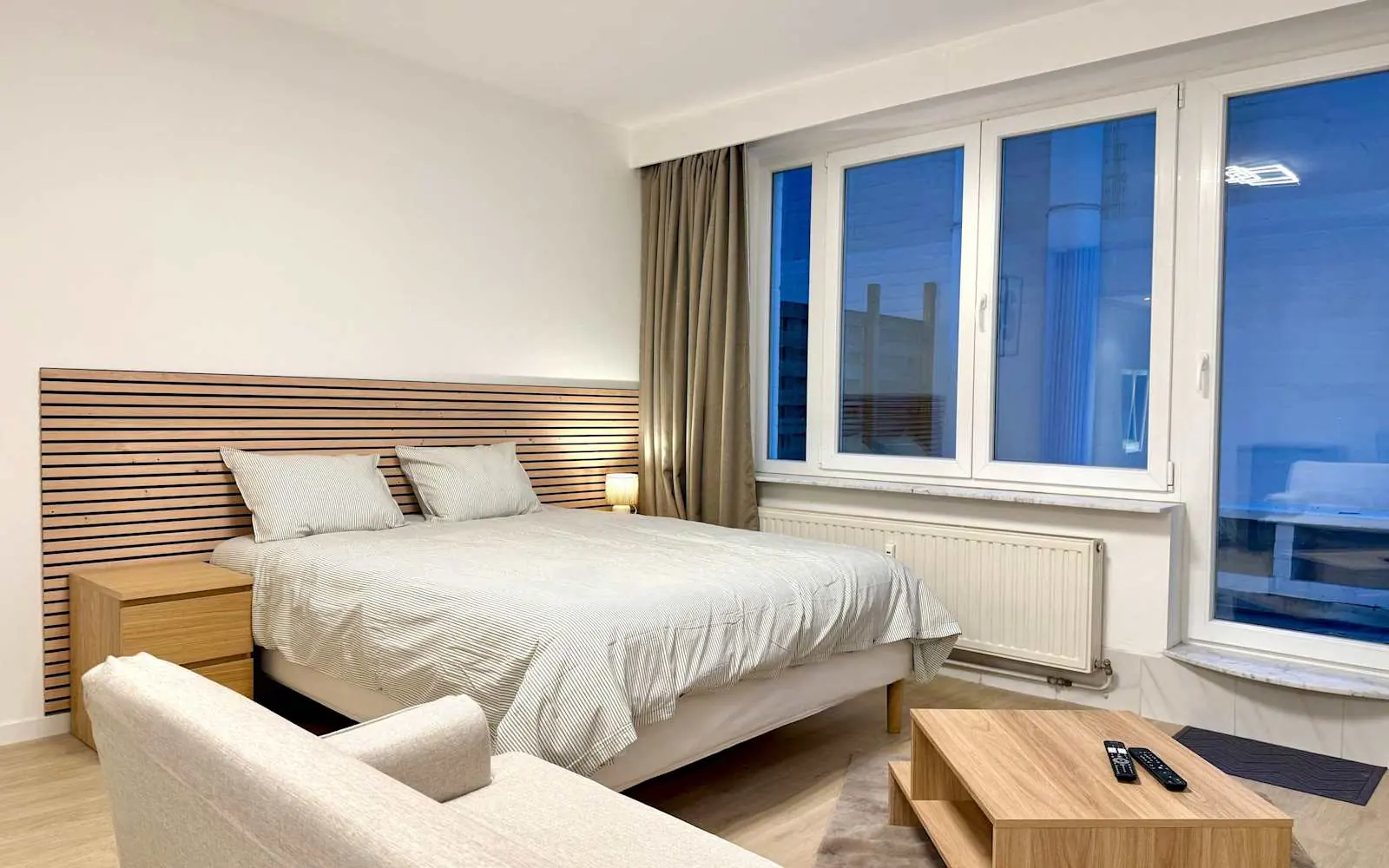
Responding to reviews, both positive and negative, shows prospective guests that the host is attentive. A short, personal reply to a positive review is enough. Negative reviews deserve more care.
A good response to criticism is calm, specific and brief. It thanks the guest, acknowledges the problem without defensiveness, explains what has been done to address it and avoids disclosing personal details or arguing about facts in public. Prospective guests read these replies as closely as the reviews themselves, and a measured response can turn a complaint into evidence of a well-managed property.
When a review breaks a platform's content policy, for instance by including discriminatory language or irrelevant personal attacks, hosts can report it through the platform's official process rather than responding in kind.
Treat reviews as data
Over time, reviews become a valuable source of information. Recurring comments about a soft mattress, a weak shower or confusing directions point to specific improvements. Tracking these themes and acting on them is often the quickest way to raise ratings, because it addresses the issues guests actually experience rather than the ones a host imagines.
Professional managers often build this into their routine, reviewing feedback across properties and turning it into maintenance or communication tasks. Concierge companies such as Hexuvium handle review responses as part of their day-to-day guest communication for the owners they work with.
The long game
There is no shortcut to a strong reputation that does not carry risks. The hosts with the most consistent ratings tend to share a simple approach: they describe their properties honestly, maintain them well, respond quickly when something goes wrong and listen to what their guests tell them. The reviews follow.